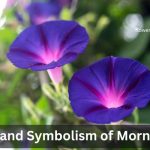
Shy, soulful, and steeped in history, the Violet flower is more than just a delicate bloom. Often found nestled in forest floors, shaded gardens, or growing wild in quiet corners, this unassuming flower has inspired poets, mystics, and lovers across time. Despite its size, the violet holds deep meaning — it’s been associated with everything from faithfulness and humility to mysticism and memory.
In ancient mythology, violets were sacred to goddesses and were thought to hold healing and protective powers. In Victorian times, they were used as discreet symbols of secret admiration or spiritual devotion. With their signature heart-shaped leaves and fragrant petals, violets invite us to explore the beauty of silence, subtlety, and soul connection.
Today, the violet flower meaning continues to bloom in our collective consciousness, symbolizing inner peace, grace, and the quiet kind of strength that doesn’t need to shout to be heard.
Check this post - Meaning and Symbolism of Morning Glory
Meaning and Symbolism of Violet
The Violet flower may appear delicate, but its symbolism is layered with emotion, tradition, and quiet resilience. From classical myths to modern interpretations, here’s what this humble bloom truly represents:
Modesty & Humility
The violet flower often symbolizes modesty. Growing low to the ground, they show us that beauty can be humble and that it’s important to stay true to ourselves without needing praise or attention.
Faithfulness & Everlasting Love
With their heart-shaped leaves and lasting blooms, violets represent loyalty and lasting love. Giving someone a violet conveys a promise to stay true—the purple color ties in with deeper emotional and spiritual connections.
Spirituality & Mysticism
Violets have ties to ancient goddesses like Venus and Persephone, making them seen as sacred flowers. Their deep colors connect with our intuition and can help us feel more in tune with ourselves.
Memory & Remembrance
Violets are reminders of the past, symbolizing memories of loved ones. Their gentle look and short blooming time reflect the bittersweet nature of memories that linger on.
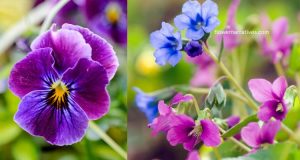
Color Meanings of Violet Flowers
Violets usually bloom in purple but come in a range of soft colors, each conveying its own feelings:
Purple Violet – Spirituality & Wisdom
The classic shade of purple violets represents intuition and wisdom. They’re often used in meditative spaces and symbolize a deep connection to the soul.
White Violet – Innocence & Peace
White violets stand for purity and emotional healing. They have a calming presence, perfect for moments of reflection or renewal.
Pink Violet – Affection & Tenderness
Less common but lovely, pink violets express gentle love and friendship. They’re great for showing admiration or offering emotional support.
Blue Violet – Tranquility & Trust
Blue violets symbolize peace and trust, representing calm and strong bonds of friendship that don’t always need words.
You can also check - February Birth Flowers: Violet & Primrose
Care Tips for Growing Violets
Violets are charming and easy to grow, whether in pots or in shady spots in the garden. With some care, they’ll give you beautiful blooms.
Light: Soft & Indirect
Violets like partial shade or filtered sunlight. Too much direct sun can hurt their leaves, while too little can limit blooming. Think of bright, gentle light for them.
Soil: Light, Moist & Well-Drained
Use loose, well-drained soil with a slightly acidic pH. Violets don’t like soggy roots, so avoid overwatering. You can boost your soil with compost to mimic their natural habitat.
Watering: Keep It Even
Keep the soil moist but not soggy. Water the base of the plant to avoid rot. In dry times, water when the top inch of soil feels dry, as violets like consistency.
Pruning & Deadheading
Regularly remove spent blooms and yellow leaves to encourage new growth. Pruning keeps the plant compact and helps focus energy where it’s needed most.
Indoors or Out?
Violets can thrive both indoors and outdoors. For indoor growing, make sure they’re near a bright window but protected from harsh midday rays. African violets, in particular, are favorites for indoor blooms all year round.
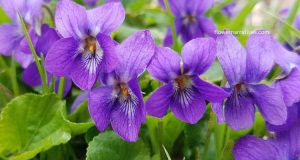
Interesting Things About Violets
Violets are more than just pretty flowers! They come with a bunch of cool facts:
Violets Can Trick Bees
Violets can confuse bees by reflecting light in a way that makes it hard for them to find the flowers. This helps only certain insects get to the pollen. It’s a clever little trick!
They’re Edible and Fancy
You can eat violet flowers! They’re often used in fancy salads, desserts, and teas. They have a mild, sweet taste and look great on cakes or in drinks.
Love Notes in the Past
In the Victorian era, giving someone a violet meant you were being true to them. People used them to say things they couldn’t say out loud.
Patient Seeds
Violet seeds have a tough outer shell and can wait for years before they sprout if conditions are right. They symbolize patience and timing.
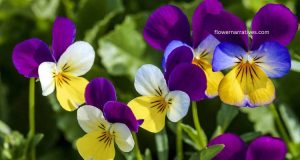
Frequently Asked Questions About Violet Flowers
1. What emotions do violets represent?
Violets bring out some deep feelings like love, remembrance, humility, and comfort. They symbolize quiet devotion and a gentle affection that doesn’t seek the spotlight. Violets are also tied to empathy and sensitivity, making them special for those who feel things deeply.
2. Are violet flowers edible?
Yep! Violet petals are safe to eat if they’re grown without pesticides. They have a sweet, mild taste and can be used in herbal teas, desserts, and salads. Candied violets are popular as a cake garnish, adding a lovely look and a light floral flavor. Just be sure to identify them correctly and use organic ones in your cooking.
3. Can I grow violets indoors?
Yes! Violet petals are edible and safe to consume when grown without pesticides. They have a mild, sweet flavor and are frequently used in herbal teas, desserts, and salads. Candied violets are a popular garnish for cakes and pastries, adding both beauty and a subtle floral note. Always ensure proper identification and organic growth before using violets in cooking.
4. What are the best conditions for growing violets?
Violets do best in partial shade with some filtered sunlight and like moist, well-drained soil. They prefer slightly acidic soil and enjoy some organic compost. Just be careful not to overwater them, as that can lead to root issues, and regularly snip off dead flowers to encourage new ones.
Conclusion: The Gentle Power of the Violet
The Violet flower, though soft in appearance, is a symbol of emotional strength, spiritual depth, and heartfelt connection. From ancient love potions to modern windowsills, its charm continues to bloom through the ages. Whether you’re drawn to its rich symbolism, soothing colors, or delicate scent, the meaning of the violet flower lies in its quiet ability to touch hearts and stir souls.
So, the next time you see a violet peeking through the grass or tucked in a bouquet, pause — and remember the timeless message it carries: humility, remembrance, and love that endures.