Key Takeaways
- Proper weight distribution is critical to the stability of both the trailer and the vehicle.
- Scheduled equipment inspections are indispensable for accident prevention.
- Safe driving habits and ongoing monitoring enhance the security of your load throughout your trip.
Table of Contents
- Introduction
- Understanding Weight Distribution
- Pre-Trip Equipment Checks
- Loading Techniques for Balance
- Using Weight Distribution Hitches
- Safe Driving Practices
- Monitoring and Adjusting During Transit
- Legal Considerations and Regulations
- Conclusion
Towing a trailer involves more than hitching it to your vehicle and hitting the road. Ensuring the load is properly balanced dramatically reduces the risk of trailer sway, improves vehicle control, and enhances overall safety for all road users. If a trailer is not properly balanced, it can lead to a dangerous loss of control or even an accident. That’s why drivers should familiarize themselves with crucial safety strategies and proper use of weight distribution hitches for a more stable towing experience.
A balanced load not only prevents excessive wear and tear on your towing components but also protects you and other drivers from preventable hazards. Tandem efforts to maintain proper weight distribution and equipment readiness are essential on every trip, whether you’re heading out for a weekend getaway or hauling cargo across the state. Learning the most effective balancing techniques and making the right equipment choices can make the difference between a smooth journey and a stressful one. Understanding your responsibilities as a driver and maintaining vigilance on the road sets a solid foundation for safe towing practices.
Understanding Weight Distribution
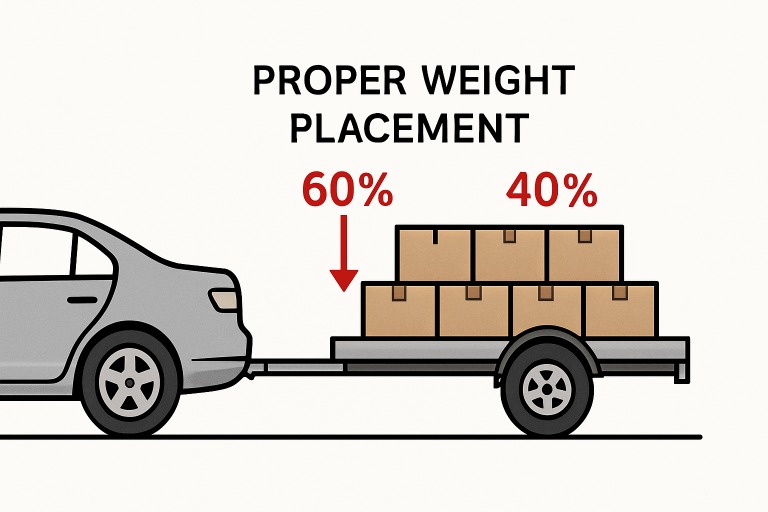
At the core of safe towing is the principle of effective weight distribution. Placing too much weight at the rear increases the likelihood of fishtailing, while loading the front too heavily overwhelms your tow vehicle, reducing steering stability and braking ability. Industry standards suggest positioning about 60% of your trailer’s total cargo weight in front of the axle and 40% behind it. Side-to-side balance is equally crucial; uneven loads may cause your trailer to tilt, straining tires and suspension.
Improper weight balance affects your ability to maneuver, especially at highway speeds or during sudden stops. With the correct distribution, your trailer will track smoothly behind your vehicle and respond predictably to steering input, greatly reducing white-knuckle moments during your journey. For in-depth best practices on load placement, refer to guidance from the National Highway Traffic Safety Administration.
Pre-Trip Equipment Checks
Regular equipment inspections are non-negotiable for towing safety. These systematic evaluations provide the peace of mind that your trailer and vehicle are roadworthy. Focus on:
- Hitch System: Confirm the hitch platform and ball mount are not rusted or showing signs of fatigue. Double-check all locking mechanisms and safety pins for secure closure and proper alignment.
- Tires: Inspect tread depth and ensure your tires are inflated to the manufacturer’s specifications. Under-inflated or worn tires are a leading cause of roadside breakdowns and should be replaced immediately.
- Lighting and Signals: A fully functioning lighting system is not only a legal requirement but also vital for safety. Have someone stand behind your trailer as you test brake lights, turn indicators, and reverse signals.
Routine checks include reviewing your trailer’s breakaway switch, emergency chains, and brake fluid levels, as outlined in your owner’s manual and in recommendations from Consumer Reports.
Loading Techniques for Balance
Centering and Securing the Load
Strategic placement of your cargo minimizes movement and the risk of imbalance. Always start by placing the heaviest items over the trailer’s axle, centered side-to-side. Use high-quality tie-downs or ratchet straps for all items, not just those that appear “loose.” This prevents shifting that could alter your trailer’s balance as you turn or brake.
Optimizing for Aerodynamics
Packing with the wind in mind can decrease drag and improve fuel efficiency. Place tall or bulky items towards the front but below the height of your towing vehicle’s roofline whenever possible. This arrangement helps maintain stability and reduces turbulent air behind the trailer.
Using Weight Distribution Hitches
Weight-distribution hitches are valuable for towing heavier or longer loads. These specialized hitches distribute tongue weight evenly across axles, improving vehicle handling and preventing excessive rear sag. It’s essential to select a hitch rated for your load and vehicle type and to install it according to the manufacturer’s recommendations. While these systems facilitate smoother driving and enhanced braking, they do not permit carrying loads that exceed your tow vehicle’s rated limits.
Safe Driving Practices
Controlling Your Speed and Movements
Driving at moderate speeds provides more reaction time and reduces the risk of losing control if the load or road conditions change suddenly. Avoid rapid accelerations, sharp braking, and sudden lane changes. Consider how extra weight and length affect your vehicle’s turning radius and stopping distance, especially in inclement weather.
Maintaining Visibility
Invest in extended towing mirrors to monitor your trailer and maintain awareness of surrounding traffic. Continually scan mirrors and check blind spots before changing lanes or merging. Practicing these habits increases your reaction window for potential hazards, making every trip safer for you and others sharing the road.
Monitoring and Adjusting During Transit
Don’t become complacent once your trip is underway. Plan for periodic stops to inspect your trailer, hitch, tires, and the integrity of your load securement. Any sign of trailer sway, vibration, or abnormal tire noise should be addressed immediately. Stop in a safe area, assess your setup, and redistribute or secure cargo as needed before resuming your journey.
Legal Considerations and Regulations
The legal landscape for towing varies across jurisdictions, making it vital to know your local laws. Typical regulations cover maximum weight and length limits for trailers, mandatory safety equipment like lights, reflectors, and chains, and special endorsements for commercial towing. Many states also enforce lower speed limits for vehicles towing trailers, so research these rules before departing to avoid citations and ensure compliance. Detailed legal guidance is available on several state DMV websites and reputable automotive authorities.
Conclusion
Safe towing begins long before you get behind the wheel. Focusing on balanced cargo placement, rigorous pre-trip equipment inspections, correct hitching methods, and consistent safe driving habits ensures your trip is as secure as possible. Stay informed about current regulations and practice ongoing vigilance throughout your journey. Through these proactive steps, you’ll protect yourself, your cargo, and everyone else on the road, making balanced towing not just a best practice, but a necessity for safety and peace of mind.