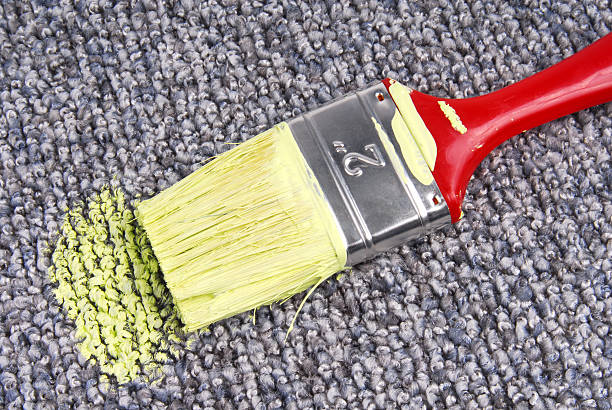
Spilling paint on your carpet can feel like pure chaos, but take a breath — it does not have to spell disaster. If you deal with it quickly, you stand a very good chance of preventing that splash from becoming a permanent eyesore.
Using the right tools and a calm approach makes all the difference. Act promptly and carefully, and you can protect those carpet fibres from lasting damage.
This guide walks you through simple, practical steps to lift paint stains without ruining your carpet. With the right method, your flooring can stay looking smart, even after a colourful mishap.
Assess the Situation
Right, before you grab the nearest cloth in a panic, pause for a moment. A quick assessment now saves a lot of trouble later. Acting in a rush without knowing what you are dealing with can make the stain harder to remove.
First, you need to find out what type of paint you are dealing with. Is it water-based, like acrylic or emulsion, or is it oil-based? The answer matters because each type responds to different cleaning methods.
Water-based paints are generally easier to lift, while oil-based ones tend to cling to fibres and need stronger solutions. If you still have the paint tin nearby, check the label — it can save you guesswork.
Next, think about timing. Has the paint just landed, or has it already started to dry? Fresher spills are far easier to tackle, so moving fast really works in your favour.
If the surface feels tacky rather than wet, you may need a slightly different approach than you would for a fresh splash.
Take a look at the size of the spill as well. A small splatter is very different from a larger patch that has soaked in. This helps you judge how much cleaning solution and how many cloths you might need.
Gather what you need before you start, so you are not dashing about mid-clean. Most importantly, resist the urge to scrub hard. That only pushes the paint deeper into the fibres and spreads the mess, turning a small problem into a bigger one.
Blot the Smudge Immediately
Your first move is simple: blot, do not rub. This helps lift the paint without driving it further into the carpet. Rubbing might feel instinctive, but it usually spreads the stain and roughens the fibres.
Use a clean, absorbent cloth and apply gentle, steady pressure. Let the cloth soak up the paint rather than trying to force it out. Keep switching to a fresh section of the cloth so you are not pressing paint straight back in. If the cloth becomes saturated, replace it with a new one.
Work from the outside of the stain towards the centre. This technique helps contain the spill and stops it from spreading outward into the cleaner parts of the carpet. Note also that small, controlled movements are far more effective than quick, aggressive ones.
Speed is your best friend here. Wet paint is much easier to remove than dried residue. With steady, patient blotting, you can lift more than you might expect and keep your carpet looking presentable while preparing for the next cleaning step.
Apply an Appropriate Solvent
Now it is time to match your method to the paint type. For water-based paint, a little water can go a long way, but you still need a careful touch.
Oil-based paint usually calls for something stronger, such as white spirit or a suitable paint thinner. Use these sparingly and make sure the room is well ventilated.
Dampen a clean cloth with your chosen solution and dab the stain gently. Avoid vigorous rubbing, which can damage the fibres and spread the paint further.
Always test the product on a hidden patch of carpet first to check for colour changes. Once applied, give it a short moment to work. Then, continue blotting gently as the paint begins to loosen and fade.
Rinse the Area
Once the paint has lifted, rinse the spot with warm water to remove any leftover residue. This keeps the carpet feeling clean rather than sticky underfoot.
Blot with a dry cloth to remove excess moisture, but do not soak the area. Too much water can lead to musty smells or even mould, which you definitely do not want.
Rinsing is especially important if you have used stronger products. If you can still notice a solvent smell, go in for another light rinse.
If the stain refuses to budge or the whole thing feels like too much, calling in an affordable carpet cleaning company is a sensible next step. They have the tools and experience to deal with stubborn marks without harming your carpet.
Dry the Carpet Properly
Drying properly is just as important as cleaning. Let the carpet air dry naturally rather than using direct heat, as high temperatures can damage or shrink fibres.
Open a window or set up a fan nearby to improve airflow. Try not to walk over the damp patch, as this can flatten or disturb the fibres.
To help absorb extra moisture, place paper towels or a dry cloth over the area and press gently. While you’re at it, try to keep a light touch to avoid undoing your hard work.
Prevent Future Stains
A bit of preparation saves a lot of stress later. Before you start painting, cover the floor with dust sheets or old bedding to shield your carpet from drips.
Keep a small clean-up kit nearby with cloths, gloves, and a suitable cleaner so you can act fast if needed. Make sure everyone in the house treads carefully around freshly painted areas, especially in busy rooms.
Secure your dust sheets with painter’s tape so they do not shift under your feet. That small step can prevent a surprising number of spills.
One extra trick is to keep a handheld vacuum or lint roller close by. Clearing dust and debris from the area before you paint helps stop particles from sticking to wet paint or transferring onto your carpet.
Conclusion
Paint on the carpet feels dramatic in the moment, but it is rarely the disaster it first appears to be. Most damage happens not from the spill itself, but from panic, scrubbing, and using the wrong method too quickly. A calm, methodical response is what really saves your carpet.
A little preparation before you pick up a brush makes an even bigger difference. Protective covers, a cloth within reach, and a plan in mind mean spills stay small, and stress stays low.
Next time, when you handle the mess the right way, the only thing that should leave a mark is your fresh coat of paint.
For those who find themselves overwhelmed by the task of removing paint from carpets, professional help can be a lifesaver. Experts in the field possess the right tools and techniques to tackle even the most stubborn stains, ensuring your carpet looks as good as new. If you’re in the area, consider reaching out to Carpet Cleaning Columbia SC for assistance. Their team is skilled in handling various types of carpet issues, providing peace of mind and saving you time and effort. Whether it’s a small spot or a larger spill, professional cleaners can make a significant difference in maintaining the beauty and longevity of your carpets.