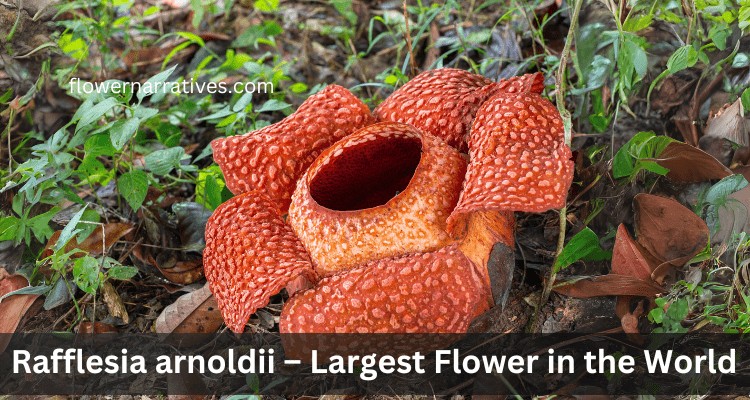
The Rafflesia arnoldii, also known as the corpse flower, is famous for having the largest single flower in the world. Native to the rainforests of Sumatra and Borneo in Southeast Asia, this rare flower has become a source of fascination due to its massive size and pungent odor, which resembles rotting flesh. The flower blooms infrequently, with its blooming period lasting only a few days, making it an extraordinary sight and an equally unique experience.
Where Can You See Rafflesia arnoldii Today?
Sumatra and Borneo (Indonesia & Malaysia)
The rainforests of Sumatra and Borneo are the main habitats for Rafflesia arnoldii, a moist, lowland forest plant.
Botanical Gardens & Conservation Areas
Due to its rarity, Rafflesia arnoldii is cultivated in various botanical gardens and conservation areas worldwide, where experts closely monitor its growth and blooming periods.
Check this post - The Middlemist Red | The Rarest Flower on Earth
Why is Rafflesia arnoldii So Unique?
Massive Size
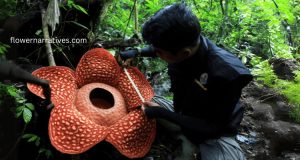
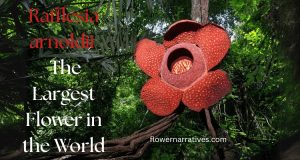
The Rafflesia is the largest single flower in the world, with some specimens measuring almost three feet (one meter) across and weighing about 15 kilograms (33 pounds).
Awful Smell
The flower is popularly called the corpse flower due to its odor of rotting flesh or raw meat. This odor attracts certain kinds of carrion flies, which are the flower’s main pollinators.
Very Rare Blooms
It blooms very rarely, on average, once in two or three years. Blooming normally lasts for about 3-7 days, with the odor peaking at that time. Because it is so rare and so short when it does show, the Rafflesia flower becomes an even rarer phenomenon.
Parasitic Nature
Unlike many plants, Rafflesia has no leaves, stems, or roots. Rather, this parasitic plant obtains its nourishment from within the host vine of Tetrastigma. This means that it draws its supplies of energy solely from the host.
Symbolism & Meaning of Rafflesia arnoldii
Death and Decay
Because of its odor, the Rafflesia arnoldii is often considered a symbol of death and decay. It describes the cycle where beauty and repulsiveness coexist.
The Flower of Rarity and Resilience
The flower symbolizes rarity because it produces flowers every few years, and resilience due to its survival in extreme environmental conditions, all through the humid, dense rainforests of Southeast Asia.
The Power of Nature
Rafflesia arnoldii is also a symbol of the sometimes unsettling, but nevertheless, dynamic forces of nature. Its ability to thrive despite its oddity serves as a testament to nature’s diversity and strength.
🌟 Amazing Fun Fact!
The Rafflesia arnoldii has no leaves, stems, or roots—it’s a total ninja of the plant world, living entirely inside its host until bloom time!
Amazing Facts About Rafflesia arnoldii
The World’s Largest Flower
The Rafflesia arnoldii has the world’s largest single flower. The bloom can reach three feet in diameter.
Attracts a Certain Type of Pollinator
The foul odor of the flower is strategically adapted to attract carrion flies, which pollinate the flower by moving pollen from one flower to the other.
No Chlorophyll
Rafflesia is different from most plants in that it has no independent food manufacturing process through photosynthesis. It absorbs its nutrients totally from its host vine, the Tetrastigma.
Short Blooming Cycle
The total life span of a bud of Rafflesia arnoldii is three to seven days; in this short life span, the odor peak occurs on the second or third day, and then it quickly decays and wilts.
Medicinal Use
A few traditional medicines use the Rafflesia flower for treating diseases, which is not so common, and are still conducting research to study its medicinal properties.
Frequently Asked Questions (FAQs) for Rafflesia arnoldii
1. What scent does the Rafflesia arnoldii produce?
The Rafflesia flower is very well known for its stink that smells like decomposing meat or rotting flesh. With this odor, carrion flies will come to the flower to pollinate it.
2. What is the size of the flower of Rafflesia arnoldii?
This flower is a true giant in the plant world. It can grow up to 3 feet (about 1 meter) wide and weigh around 15 kilograms (33 pounds). Unlike many other large plants, it produces just one massive flower, not a cluster of small ones. When it blooms, it looks like a huge red-brown blossom with spotted petals and a bowl-shaped center, making it both stunning and strange.
3. How often does the Rafflesia arnoldii flower?
The Rafflesia is known for being elusive. It can take months or even years to develop inside its host vine, and once it blooms, it lasts only 3 to 7 days. After that, the flower quickly begins to decay and collapse. Because of this short bloom time and long development period, spotting one in the wild is a rare event—almost like seeing a solar eclipse in nature!
4. Is the Rafflesia arnoldii rare?
It is quite rare as an inflorescence plant, with only one or two blooms at a time. Thus located only in certain parts of Southeast Asia.
5. How does Rafflesia arnoldii get pollinated?
Rafflesia doesn’t have leaves, roots, or stems, so it relies entirely on its environment and visitors. When it blooms, the strong odor attracts carrion flies and beetles, which crawl around inside the flower’s central chamber. As they move, pollen sticks to them. If the insect visits another blooming Rafflesia, it may transfer that pollen, helping with reproduction. This unique pollination method works perfectly in its native forest home.
Final Reflections
The Rafflesia arnoldii is more than just the world’s largest individual flower—it’s a natural marvel wrapped in mystery, science, and survival. From its massive, petal-like lobes to its strange, foul scent, every part of this rare bloom tells a fascinating story. While many may shy away from its odor, those who appreciate the wonders of nature see the Rafflesia as a perfect example of how beauty can exist in the most unusual forms.
Its parasitic lifestyle, unpredictable blooming cycle, and tight bond with specific rainforest vines make it one of the most elusive flowers to witness in person. But that’s also what makes it so special. The Rafflesia reminds us that not all flowers are soft, sweet, and familiar—some are wild, rare, and unforgettable.
If you love uncovering the world’s most fascinating and strange flowers, keep exploring with us.
Brought to you by Flower Narratives, where every petal tells a story.
“Every flower is a soul blossoming in nature.”
– Gérard de Nerval