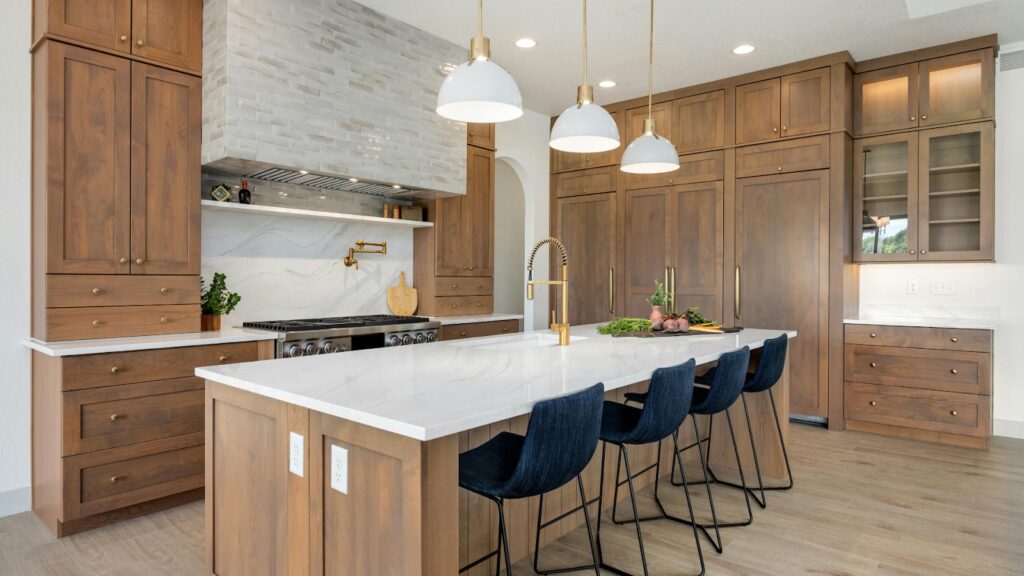
Let’s be honest, most kitchen backsplashes are pretty forgettable. You know what I’m talking about. Those plain white subway tiles that every other house on your block probably has. But here’s the thing: your kitchen doesn’t have to settle for boring.
Creating something that actually makes people stop and say “wow” isn’t as complicated (or expensive) as you might think. The real magic happens when you start playing with different textures and colors together.
Foundation Principles for Mixing Textures and Colors in Kitchen Backsplashes
Before you start mixing materials like you’re some kind of kitchen design wizard, let’s talk about the basics. Trust me, understanding these principles will save you from making expensive mistakes that’ll haunt you every morning when you’re making coffee. Getting these fundamentals right is what separates gorgeous, unique kitchen backsplash ideas from complete design disasters.
Color Theory Essentials for Backsplash Design
Don’t worry, I’m not about to bore you with a college art class lecture. But knowing a little color theory goes a long way. Picture the color wheel in your head. Colors sitting across from each other? Those are complementary, and they create serious drama when paired together. Colors hanging out next to each other are analogous, and they play nicely together without any fuss.
Warm colors, think reds, oranges, yellows, they’re like that friend who fills up a room with energy. They make spaces feel cozy and inviting. Cool colors like blues, greens, and purples? They’re the chill ones. They calm everything down and can actually make your kitchen feel bigger than it is.
Neutrals are your best friends here. They’re like diplomatic mediators that help bold choices get along without starting a visual war.
Texture Psychology and Visual Impact
Here’s something interesting: different textures actually mess with your emotions. Smooth surfaces like glass tiles give you that clean, modern vibe that makes you feel organized. Rough textures like natural stone? They make you want to slow down and enjoy a home-cooked meal.
When you put smooth next to rough, magic happens. Your eye can’t help but notice the contrast. But if you use similar textures with just slight differences, you get this subtle sophistication that whispers rather than shouts.
Scale and Proportion Guidelines for Mixed Materials
Size matters. A lot. Big tiles look amazing next to tiny mosaics; it’s like they’re having this perfect conversation about contrast.
Small kitchen? Keep it simple with fewer, larger elements. Got a huge kitchen? You can go crazy with more complex combinations.
Trending Texture Combinations for Unique Backsplash Designs
Now that you’ve got the foundation down, let’s dive into what’s actually hot right now. These combinations aren’t just pretty; they’re what homeowners are actually choosing when they want something special. These represent the cutting-edge kitchen design trends that smart people are investing in.
Natural Stone with Metallic Accents
Stone plus metal is like the perfect power couple. Travertine with copper strips? You’ve got yourself a Mediterranean vacation vibe right in your kitchen. Granite with stainless steel inserts screams modern sophistication without trying too hard.
The trick is balance. Let the stone be the star, and use metal like jewelry, just enough to make everything sparkle. Keep in mind that stone needs some TLC with regular sealing, but metal just laughs at moisture.
Ceramic Subway Tiles with Wood Elements
This combo is brilliant because it marries the classic with the rustic. White subway tiles give you that clean backdrop, then you add reclaimed wood shelving or accent strips, and boom, instant character.
Wood does something magical to ceramics’ sometimes cold personality. It warms everything up. Just make sure you’re using wood that’s actually meant for kitchens, or you’ll be dealing with warping and staining later.
Glass Mosaics Combined with Textured Ceramics
Glass bounces light around like nobody’s business, while textured ceramics add that touchable quality that makes people want to run their fingers over it. Iridescent glass mosaics paired with embossed ceramics create these layers that just keep revealing new details. This combination is especially genius in smaller kitchens where every bit of reflected light helps make the space feel bigger.
Mixed material backsplashes are projected to be in-demand additions for kitchen designs that will bring together wooden panels, metal accents, and various stones, so you’re definitely riding the wave here.
Color Mixing Strategies That Create Visual Drama
Texture combinations are great, but color is where you really get to show your personality. This is where things get fun and a little scary, because color choices can make or break your entire design.
Monochromatic Schemes with Varying Textures
Single color doesn’t have to mean single-boring. When you use different shades of the same color, like navy ceramic flowing into light blue glass, you create this depth that’s sophisticated without being flashy.
The texture variations keep your eye interested even when the color story stays consistent. This approach works especially well if you’re going for that clean, modern look where less is definitely more.
Complementary Color Pairings for Bold Statements
Want to make a statement? Grab colors from opposite sides of the color wheel. Orange and blue together? That’s pure energy. Red and green? Classic drama that never gets old.
Just remember the 70-20-10 rule here. One color needs to be the boss, or you’ll end up with a backsplash that gives people headaches instead of heart eyes.
Neutral Base with Colorful Accent Integration
Starting with neutrals like white, gray, or beige gives you this amazing foundation to build on. Then you can drop in colorful accents wherever you want some pizzazz. The best part? You can change these accents later without ripping everything out.
Colorful glass inserts, hand-painted ceramic pieces, or even just colorful grout can transform a neutral base into something completely custom.
Advanced Techniques for Seamless Material Integration
Color strategy is crucial, but the real professional secret is in the details. These are the techniques that separate DIY disasters from designs that look like they cost twice what you actually spent.
Transition Zones Between Different Textures
Nobody wants jarring material changes that look like accidents. Smooth transitions are everything. Use trim pieces, border tiles, or gradual size changes to bridge different textures. Metal edge strips between stone and ceramic sections work like a charm.
Grout Color Selection for Enhanced Contrast
Grout is way more important than most people realize. Dark grout makes each tile pop individually, while matching grout creates this seamless, flowing effect. Dark grout hides everyday stains better, but light grout brightens everything up.
Pro tip: Use different grout colors for different materials to emphasize the texture changes and create visual separation that looks totally intentional.
Lighting Considerations for Mixed-Texture Backsplashes
Different materials react to light completely differently, and this affects how colors look and how textures show up. Under-cabinet LED strips are your best friend for highlighting texture variations. Natural light changes throughout the day, too, so test your combinations at different times.
Glossy surfaces bounce light around and brighten everything, while matte textures absorb light and create cozy vibes. Plan these effects on purpose.
Room Style-Specific Texture and Color Combinations
Different kitchen styles need different approaches. What works in a farmhouse kitchen might look completely wrong in a modern minimalist space.
Modern Minimalist Kitchen Backsplash Solutions
Minimalist kitchens are all about maximum impact with minimum fuss. Large format tiles in neutral colors with subtle texture variations hit that sweet spot perfectly. Concrete-look porcelain with glass accent strips gives you contemporary elegance without clutter.
Keep your material count low, two materials max, with one clearly running the show. Clean lines and geometric shapes reinforce that minimalist aesthetic.
Farmhouse Rustic Texture Mixing Approaches
Farmhouse kitchens celebrate natural materials and that lived-in charm. Brick paired with reclaimed wood creates an authentic rustic appeal that feels genuine. Natural stone combined with hand-painted ceramics delivers that artisanal character that makes spaces feel crafted, not manufactured.
Embrace the imperfections here; slightly irregular textures and weathered finishes add to the farmhouse’s authenticity.
Budget-Friendly Mixing Techniques for Maximum Impact
You don’t need to blow your entire renovation budget on materials. Smart planning and strategic material choices can get you luxury looks without luxury prices.
High-Low Material Combinations That Work
Mix expensive statement materials with affordable basics, and nobody will know which is which. Use marble as accent strips with ceramic subway tiles for the main field. Natural stone borders with porcelain centers create that high-end appearance for a fraction of the cost.
Focus your expensive materials where they’ll have the biggest visual impact, and use cost-effective options in the background. This strategy maximizes wow factor while keeping your budget happy through creative backsplash inspiration.
DIY Texture Creation Methods
Get creative with affordable materials and simple techniques. Stenciled patterns on plain tiles add visual interest without specialty tile prices. Textured paint over smooth surfaces creates custom backgrounds for accent tiles.
Don’t overlook repurposed materials, old brick, reclaimed wood, or vintage tiles often cost less than new specialty materials while adding authentic character that money can’t buy.
Installation Best Practices for Mixed-Material Backsplashes
Once you’ve nailed down your material combination, installation becomes critical. Poor installation can make even the most expensive materials look cheap.
Surface Preparation for Multiple Textures
Different materials have different needs. Most tiles are happy with smooth walls, but heavy stone might need additional support. Make sure surfaces are clean, level, and properly primed before you start.
Plan your layout carefully, mark centerlines, and establish reference points before you install anything. This prevents alignment issues that become glaringly obvious with mixed materials.
Adhesive Selection for Different Materials
Not all adhesives are created equal. Natural stone needs non-staining adhesives, glass needs clear adhesives to prevent show-through, and metal tiles might need specialized bonding agents.
Check manufacturer recommendations for each material type. Using the wrong adhesive can lead to failure, staining, or poor adhesion that’ll haunt you later.
Common Questions About Mixing Backsplash Textures and Colors
1. Which textures work best together in small kitchen spaces?
Stick to two contrasting textures maximum; smooth glass with textured stone is a winning combination. Light colors and reflective surfaces help small spaces feel larger.
2. How do I choose grout colors when mixing different backsplash materials?
Use contrasting grout to emphasize patterns or matching grout for a seamless looks. Consider maintenance, darker grout hides stains better than light colors.
3. Can I mix warm and cool colors in the same backsplash design?
Absolutely, but use neutral colors as bridges between warm and cool tones. The 70-20-10 rule helps maintain balance and prevents color chaos.
Final Thoughts on Creating Your Dream Backsplash
Mixing textures and colors transforms ordinary kitchens into spaces that actually reflect who you are. The secret sauce is understanding basic design principles, choosing materials thoughtfully, and executing everything properly.
Don’t be afraid to experiment; samples are cheap insurance against expensive mistakes. Remember that the best designs balance bold statements with practical considerations, creating beautiful focal points that enhance your daily kitchen experience rather than just looking pretty.