Key Takeaways
- Solar-equipped homes enjoy higher property values and attract environmentally conscious buyers.
- Innovations such as Building-Integrated Photovoltaics (BIPV) merge energy production with attractive design.
- Federal incentives and tax credits are making solar power more affordable than ever for homeowners.
- Solar systems boost sustainability, minimize carbon footprints, and provide a safeguard against utility volatility.
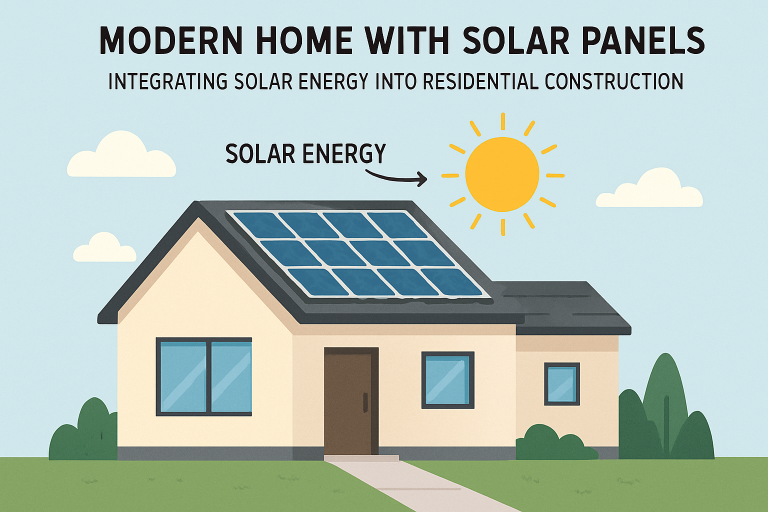
Solar energy is reshaping the future of home construction, placing sustainability and efficiency at the core of new builds. As homeowners increasingly demand green features, builders are turning to innovative energy solutions, such as solar power, to add value and minimize environmental impact. Companies such as Green Tech Construction are leading the charge, making it easier for homeowners to adopt solar technology from the outset of their building journey. With this shift, homeowners are discovering that solar integration can provide long-term utility savings and a healthier planet.
The transition to solar-centric construction not only supports eco-conscious lifestyles but also delivers tangible financial benefits. With ever-improving solar panels and innovative applications like solar shingles, construction projects now seamlessly blend design, efficiency, and sustainability. These advances, coupled with growing access to tax incentives, make solar-powered homes both accessible and appealing in today’s market. From suburban neighborhoods to custom luxury residences, solar is moving from a niche feature to an industry standard.
Enhancing Property Value with Solar Integration
Adding solar panels or solar roof tiles to a new home can significantly increase its value, as an increasing number of buyers prioritize eco-friendly features and energy efficiency. Recent studies referenced by The New York Times show that homes with solar installations consistently sell at a premium and often move faster on the market. The appeal? Lower energy bills, a reduced carbon footprint, and the assurance that the property includes cutting-edge technology for years to come.
This value proposition is powerful in markets where energy costs are high or where eco-conscious buyers are actively seeking sustainable homes. For new construction, solar integration can be seamlessly planned into the architectural design, maximizing efficiency and curb appeal from day one. Builders that offer these systems from the outset are seeing both increased buyer interest and higher resale values, reinforcing the financial case for going solar.
Advancements in Solar Technology
Innovations in solar technology have transformed how builders and homeowners approach clean energy. Modern systems go well beyond traditional rooftop panels. Building-Integrated Photovoltaics (BIPV)—such as energy-generating windows, solar glass, and siding—enable homes to produce electricity while maintaining a cohesive and attractive aesthetic. These products are designed to mimic standard construction materials, making solar solutions practically invisible until you review your energy bill.
Efficiency rates for these new technologies continue to climb, with some BIPV products rivaling conventional panels while offering greater design flexibility. Lightweight, thin-film solar panels can be installed on a range of surfaces, providing new options for complex architectural designs and retrofits. Homeowners can now choose solar shingles that blend seamlessly with traditional roofing materials. Industry leaders continue to invest in greater efficiency, durability, and ease of installation, making cutting-edge solar systems accessible to mainstream homebuyers.
Government Incentives and Tax Credits
Government support has been pivotal in making solar construction affordable for the average homeowner. The Inflation Reduction Act (IRA), effective since January 2023, strengthens financial incentives for those investing in solar upgrades. Homeowners installing solar panels can claim a federal tax credit of 30% of total project costs, with no cap and the ability to roll over unused credits into future years. This credit also applies to related improvements, such as energy-efficient windows, insulation, and certain modern appliances, helping to offset the upfront investment for a comprehensive home energy strategy.
Programs like these not only lower the barrier to entry for solar integration but also encourage broader adoption of energy-saving upgrades. State and local initiatives often stack with federal incentives, depending on location, making new solar homes even more attainable. For a thorough breakdown of current tax benefits and rebates, visit the IRS official resource for the most up-to-date guidelines and eligibility criteria.
Environmental Sustainability and Energy Independence
Beyond financial gains, solar-powered homes make a meaningful impact on global sustainability goals. By harnessing the sun’s power, these residential structures reduce their reliance on fossil fuels, thereby cutting greenhouse gas emissions and contributing positively to improved air quality. Integrating battery storage allows homeowners to achieve greater energy independence, providing backup power in the event of grid disruptions and reducing reliance on fluctuating utility prices.
This shift to clean energy is crucial not only for the environment but for long-term energy security. As climate change intensifies and energy markets become less predictable, homeowners with solar systems are better equipped to manage future uncertainties, ensuring both sustainability and resilience.
Overcoming Challenges in Solar Integration
Despite the compelling benefits, several challenges still confront widespread solar adoption in home construction. Upfront installation costs remain significant for some, although these are dropping as technology improves and incentives expand. There are also practical hurdles, such as sourcing skilled installers and navigating regulatory requirements for new builds. Additionally, aesthetic concerns—particularly with traditional solar panels—may deter some buyers.
The industry is swiftly addressing these barriers—new financing models, including solar leases and power purchase agreements, offer lower initial investment. Design trends favor BIPV and solar shingles, which address aesthetic reservations. Comprehensive builder training programs and clear permitting guidelines facilitate a smoother integration process, making solar energy more mainstream and feasible than ever before.
Real-Life Example: The Solar Umbrella House
A standout example is the Solar Umbrella House in Venice, Los Angeles, a property that has been transformed into a model for sustainable design. Originally a small bungalow, the home was expanded and redesigned to be nearly energy-neutral, with solar panels providing up to 95% of its power needs. Its forward-thinking architecture and energy systems earned the house a spot on the American Institute of Architects’ list of top green projects. Stories like these underscore how solar technology can turn traditional homes into architectural and environmental icons.
Future Outlook
The future of home construction is inextricably linked to solar energy. As technology advances, costs decline, and incentives remain robust, the integration of solar will soon become standard practice for new builds and renovations alike. This transition promises cost savings for homeowners, increased resilience against rising utility costs, and a significant reduction in environmental impact. Builders and buyers who embrace these changes are at the forefront of a more sustainable and independent energy future, setting new benchmarks for responsible home creation in the 21st century.
Solar energy is no longer a luxury add-on but an essential feature in modern home construction—benefiting families, communities, and the planet alike.
Incorporating solar energy into home construction is not just a trend but a transformative shift in how we think about sustainable living. This shift is also influencing commercial spaces, as seen with the increasing adoption of solar power for Nashville businesses. By integrating solar panels into their infrastructure, these businesses are not only reducing their carbon footprint but also significantly cutting down on energy costs. This dual benefit of environmental responsibility and economic efficiency is driving more companies to explore renewable energy solutions. As solar technology continues to advance, its role in both residential and commercial construction is set to expand, paving the way for a more sustainable future.
Incorporating solar energy into home construction is not just a trend but a transformative shift in how we envision sustainable living. As more homeowners recognize the long-term benefits, communities are increasingly embracing this green revolution. For instance, in Stockton, CA, the integration of solar panels from https://northvalleysolarpower.com/location/stockton-ca/ is becoming a standard practice, enhancing both the aesthetic and functional aspects of new builds. This shift is not only reducing energy costs but also contributing to a cleaner environment. By prioritizing renewable energy sources, we are paving the way for a future where homes are not just shelters but active participants in energy conservation.
Incorporating solar energy into home construction not only enhances sustainability but also offers significant cost savings over time. As more homeowners recognize these benefits, the demand for skilled professionals in the field has surged. This is where solar installation companies in Pleasanton play a crucial role, providing expertise and tailored solutions to meet diverse energy needs. By collaborating with these experts, homeowners can ensure that their solar systems are optimally designed and installed, maximizing efficiency and performance. This partnership is essential in navigating the complexities of solar technology, ensuring that each installation is both effective and seamlessly integrated into the home’s architecture.