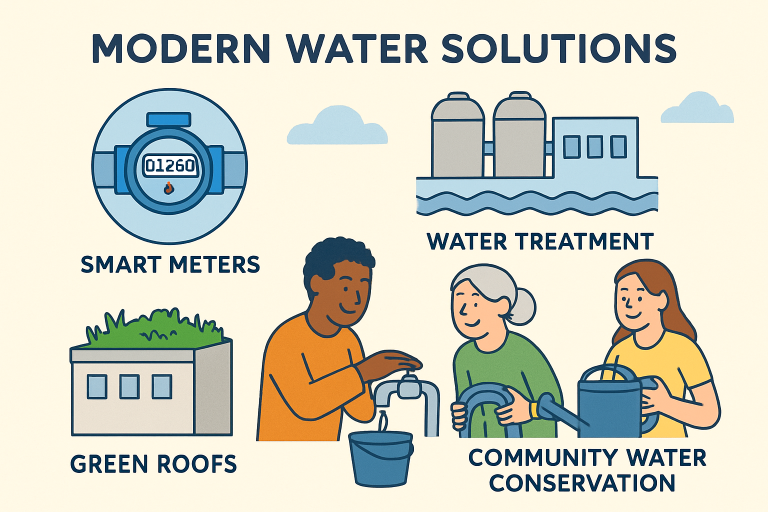
Water scarcity is an escalating issue affecting communities worldwide, underscoring the need for new strategies to effectively manage water. Modern water solutions are pivotal to ensuring a sustainable future by leveraging current technology and community engagement. To truly achieve long-term water sustainability, it is essential to choose the right mix of solutions, such as advanced water treatment services and eco-friendly urban planning. These advances not only address water shortages but also help mitigate the impact on natural resources.
By integrating these innovative approaches into daily practices and infrastructure, both individuals and municipalities can foster resilience against droughts and pollution. As the world’s population continues to grow and climate change influences water cycles, these strategies become ever more critical for promoting sustainable living and safeguarding water supplies for generations to come.
Innovative Water Technologies
Addressing the challenges of water scarcity requires continuous advancement in water treatment and conservation technologies. In recent years, organizations have developed more eco-friendly water purification processes, reducing environmental footprints while making clean water more accessible. For example, some innovators have pioneered methods that consume less energy while delivering high-quality results. These achievements underscore the vital importance of integrating environmentally conscious practices into water management. Industry recognition for sustainable practices serves as a testament to how leaders in the water sector can set the tone for responsible resource stewardship.
Innovation also extends to desalination plants capable of converting seawater into potable water with minimal environmental impact. These facilities increasingly use solar energy or advanced membrane technologies to minimize resource usage. Additionally, decentralized treatment systems are being deployed in rural and developing areas, providing localized solutions that help bridge water access gaps and reduce dependency on extensive piping networks. Research institutions have also developed groundbreaking devices that use ultrasound to rapidly extract drinking water from air, offering promising solutions for arid regions with limited water resources.
Smart Water Systems
The adoption of artificial intelligence (AI) and Internet of Things (IoT) technology has transformed how municipalities track and manage water resources. Smart meters and cloud-connected sensors are now standard in progressive cities, offering accurate real-time data on water usage and system integrity. This not only enables utilities to quickly identify and address leaks but also empowers residents to monitor and adjust personal consumption.
For example, Melbourne, Australia, relies on smart analytics to optimize water distribution during droughts, while London has successfully curbed water waste through networked devices across its public water system. These efforts have not only helped save millions of gallons of water, but they have also proven cost-effective for city budgets.
Green Infrastructure
Urban planners are increasingly turning to green infrastructure to manage stormwater and enhance water resilience. Solutions such as rain gardens, permeable pavements, and green roofs are designed to mimic natural processes. By allowing rainwater to infiltrate the ground gradually, these systems significantly reduce the risk of urban flooding and lower the burden on traditional drainage networks.
Green infrastructure also helps filter pollutants before they can enter water bodies, thereby improving water quality. Projects in cities like Philadelphia and Toronto showcase the benefits of these sustainable approaches, demonstrating broad public health and environmental gains. According to the United States Environmental Protection Agency, green infrastructure is a key strategy in combating the urban heat island effect and managing water runoff efficiently.
Community Involvement
Sustainable water management is most effective when paired with robust community involvement. Educational campaigns and engagement initiatives equip individuals with practical guidance on limiting water waste in homes and businesses. Training residents on the use of rain barrels, advocating for native landscaping, and encouraging small behavior changes add up to significant collective impact.
In Los Angeles, the One Water LA 2040 Plan exemplifies how local governments can galvanize public support for comprehensive water stewardship. By integrating diverse water supply sources and encouraging input from all community sectors, the plan fosters a sense of shared ownership in the city’s water future. Other cities worldwide are following suit, recognizing that community buy-in and education amplify returns on investment in new infrastructure and technology.
Conclusion
Modern water solutions bring together the best of technology, infrastructure, and civic participation, supporting a vision of prosperous and sustainable living for all. Through ongoing innovation, the integration of smart water systems, green infrastructure, and community efforts, it is possible to secure resilient water supplies and promote planetary health for decades to come. Whether upgrading existing utilities or building new systems from the ground up, prioritizing sustainable water practices today creates the foundation for a thriving tomorrow.