Key Takeaways
- Different colors trigger distinct psychological reactions that can either enhance or reduce workplace productivity.
- Strategically chosen colors foster positive emotions, reduce stress, and stimulate both focus and creativity.
- Employers who leverage color psychology in office design can align their workspaces with their teams’ needs and business objectives.
Color is much more than a decorative element—it’s a powerful psychological tool that shapes how we feel, think, and perform in our daily work environment. The right palette can help create an atmosphere where employees thrive, boosting creativity, morale, and efficiency in remarkable ways. Businesses seeking to reap these benefits often consult professional painters who understand the nuances of color psychology in commercial design.
The impact of color in the workplace isn’t merely a trend; it’s rooted in scientific studies that reveal how colors can influence focus, stress, and even interpersonal collaboration. When thoughtfully chosen and implemented, color becomes a strategic resource that aligns office aesthetics with organizational goals.
The Psychology Behind Colors
The science of color psychology explores how various hues affect our emotions and behaviors. Cool tones, such as blue and green, are frequently associated with calmness, focus, and a sense of stability, while warm hues like yellow and orange can spark energy and sociability. Offices that incorporate these insights often see increased output and enhanced staff well-being. For instance, a Forbes Business Council article explains how targeted use of color in offices correlates with higher employee engagement and a stronger overall company culture.
Many modern workplaces are moving beyond generic white or gray spaces. Nature-inspired palettes, especially those that mimic earth tones and soft greens, ground employees, evoking feelings of restfulness and connection. Incorporating biophilic design elements—patterns and colors found in the natural world—can significantly reduce average stress and improve overall employee morale.
Blue: The Color of Focus
Blue is commonly recognized for its mind-calming properties, making it ideal for spaces where focus and clarity are essential. From deep navy to light sky tones, blue hues can lower stress levels and enhance analytical thinking. According to research by the University of Texas, employees immersed in a blue-enriched environment report a marked decrease in fatigue and distraction, leading to sustained productivity throughout the workday.
Incorporating blue into meeting rooms or concentrated work zones encourages thoughtful deliberation. Pairing it with natural materials and adequate lighting can maximize its cognitive and emotional benefits, setting a steady tone for complex decision-making.
Green: Promoting Balance and Well-being
Green signifies balance, renewal, and health. As more industries shift to digital operations, screen time becomes an unavoidable aspect of modern work. Shades of green are soothing to the eyes, making them an excellent choice for offices where mental endurance is crucial. Studies have shown that even small doses of greenery—whether in wall color, décor, or living plants—are associated with lower stress hormone levels and fewer reported headaches among workers.
Open workspaces and collaborative zones benefit greatly from green accents, as the color helps foster both harmony and sustained energy. The restorative quality of green is also frequently linked with reduced absenteeism and improved workplace satisfaction.
Yellow and Orange: Energizing Creativity
Yellow and orange, when used in moderation, inject a burst of optimism and creative thinking into any space. These colors have been shown to raise dopamine levels (the brain’s feel-good chemical—closely associated with motivation and problem-solving skills). Creative spaces, such as brainstorming rooms or collaborative hubs, are ideal for splashes of yellow or orange. A Healthline report on color psychology notes that while these shades heighten creativity and enthusiasm, their intensity should be carefully managed to avoid overstimulation or restlessness.
Accent walls or decorative accessories in warm colors can provide the right level of visual stimulation, inspiring innovative thinking and energetic discussions without dominating the senses.
Red: Stimulating Energy and Attention
Red is an intense, dynamic choice recognized for its power to capture attention and raise energy levels. In office design, red is most effective as an accent rather than the dominant color. It can increase alertness and response rates in fast-paced environments, making it suitable for meeting areas where action and quick decisions are needed. However, excessive red may provoke feelings of anxiety or agitation, so it’s best reserved for focal points—such as statement furniture or important notice boards.
The occasional pop of red can help distinguish task-specific zones or highlight areas meant for high engagement, ensuring employees remain alert yet comfortable.
Implementing Color Psychology in Office Design
1. Assess the Nature of Work
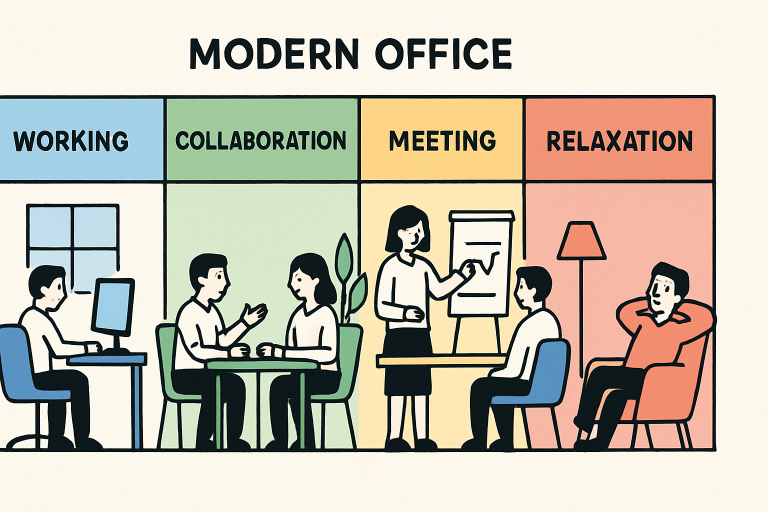
Begin by evaluating the primary activities in each area—concentration, creativity, collaboration, or relaxation. Use calming shades in focused work zones, energizing hues in creative spaces, and balanced tones in communal areas.
2. Incorporate Natural Elements
Nature-inspired palettes and décor support psychological well-being. Use plants, wooden textures, and earth tones to cultivate a biophilic environment.
3. Use Accent Colors Strategically
Employ bold colors like red, orange, or yellow sparingly to highlight collaborative corners, wayfinding paths, or key resources.
4. Seek Employee Input
Engage team members in the design process by gathering feedback on preferred palettes and considering how color can address specific comfort and wellness needs.
Conclusion
Leveraging color psychology in the workplace serves as both a practical and creative strategy to foster well-being and peak performance among employees. Thoughtful selection and placement of colors within office design allow businesses to curate environments that enhance focus, boost morale, and spark innovation—all while supporting a happier, healthier workforce.