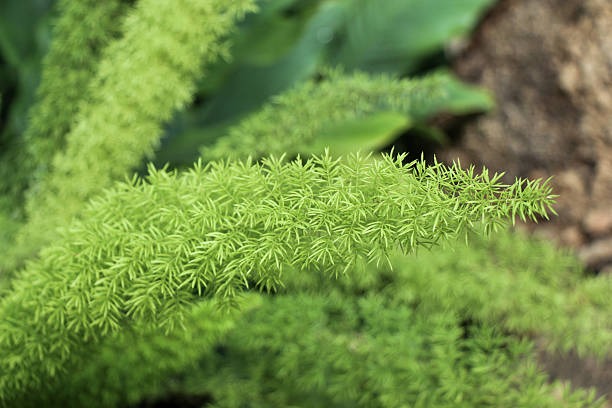
Welcome to the ultimate guide on the foxtail fern, a plant cherished for its lush greenery and charm. The foxtail fern makes a perfect addition to both gardens and homes, thanks to its elegant appearance and relatively easy care requirements. In this guide, you’ll find everything you need to know about this plant, from understanding its unique characteristics to growing requirements and common issues you might face. Whether you’re a seasoned gardener or just starting, this guide aims to be your go-to resource for all things foxtail fern.
Understanding the Foxtail Fern
The foxtail fern, known scientifically as Asparagus densiflorus ‘Myersii’, is part of the Asparagus family. It’s admired for its feathery, bushy appearance which resembles a fox’s tail – hence its name. These evergreen plants have needle-like leaves and can produce small white flowers followed by red berries under the right conditions, often adding to their ornamental value.
Here’s what sets it apart:
- Scientific Classification:
- Family: Asparagaceae
- Genus: Asparagus
- Species: Asparagus densiflorus
- Family: Asparagaceae
- Appearance: Bright green, dense foliage with soft, needle-like leaves that grow upwards in plume-like structures.
- Growth Habits: They thrive in both pot containers and as ground cover in gardens, making them versatile for different settings.
You can also check out this detailed guide on how soil health impacts plant growth.
Where to Buy Foxtail Fern
Finding the perfect foxtail fern can be an exciting journey. Here’s where you can look to purchase these versatile plants:
- Nurseries and Garden Centers: Many local nurseries carry foxtail ferns, offering a range of sizes. Visiting a nursery allows you to speak directly with plant experts who can provide tips for care.
- Online Retailers: Beyond general retailers, specialized online plant nurseries including Simply Trees, The Sill, or Gardener’s Supply Company offer foxtail ferns with live plant shipping expertise, provide detailed care instructions specific to foxtail fern watering and light requirements, include arrival guarantees protecting against transit damage with replacement policies, deliver plants selected for vibrant green foliage and firm stems meeting the health criteria outlined below, and offer customer service with plant care expertise for post-delivery questions about establishment and ongoing maintenance.
Tips for Selecting a Healthy Foxtail Fern
When choosing a foxtail fern, keep these tips in mind to ensure you’re getting a healthy plant:
- Leaf Color: Look for vibrant green leaves, indicating good health.
- Stem Firmness: Check that the stems are firm and robust.
- Root Condition: If possible, examine the roots for any signs of rot or damage.
With these pointers, you’re set to find a flourishing foxtail fern ready to brighten your space.
Growing Requirements of Foxtail Ferns
To see your foxtail fern thrive, setting the right environment is key. Here’s a breakdown of what these plants need:
- Sunlight: Foxtail ferns flourish in bright, indirect sunlight. Too much direct sun can scorch the leaves.
- Soil: Choose well-draining, rich soil. A good mix could include sand, pebbles, and organic matter for optimum growth.
- Watering: Keep the soil moist but not waterlogged. Water when the top inch feels dry to the touch.
- Fertilizing: Use a balanced, water-soluble fertilizer every few months to encourage lush growth.
- Pruning: Trim away any dead or yellowing stems to promote new growth and maintain shape.
By following these guidelines, your foxtail fern will thrive indoors or in your garden setup. Each step helps in creating a nurturing environment for your plant to prosper.
How Big Do Foxtail Ferns Get?
The foxtail fern is known for its elegant, arching fronds that can add a touch of lush greenery to any environment. Understanding its growth potential and management is essential if you want it to thrive in your space.
- Typical Size: Mature foxtail ferns can reach about 2 to 3 feet in height and spread out approximately 3 to 4 feet in width. This makes them ideal for creating a full, lush appearance in gardens and containers.
- Growth Rate: Generally, foxtail ferns grow at a moderate rate. This means you won’t have to worry about them taking over a garden too quickly but can expect a consistent filling out of foliage over time.
- Management Tips:
- Regularly trim back older fronds to maintain a tidy appearance and encourage new growth.
- You can divide the plant if it becomes too large for its designated space, which is typically done during the growing season.
- To maintain its size within a container or designated garden area, ensure it has enough space and nutrients to prevent excessive spread.
- Regularly trim back older fronds to maintain a tidy appearance and encourage new growth.
Foxtail Fern Cold Hardiness
The foxtail fern comes with the bonus of being relatively cold-hardy, but understanding its limits and protection needs is important for those living in cooler climates.
- Cold Resistance: Foxtail ferns thrive best in USDA hardiness zones 9 to 11. They can survive short periods of cold temperatures but should ideally be kept in temperatures above 20°F (-6°C).
- Protection Tips:
- If possible, bring container plants indoors during the colder months to prevent frost damage.
- Apply mulch around the base of outdoor plants to insulate the roots during cold spells.
- Use frost cloths or blankets over the plants on particularly cold nights to protect from frost.
- If possible, bring container plants indoors during the colder months to prevent frost damage.
- Indoor Adaptation: If you live in a colder area, consider growing your foxtail fern as an indoor plant where it can receive adequate warmth and protection from severe winter weather.
By understanding how big foxtail ferns can grow and how to protect them from cold, enthusiasts can enjoy their unique beauty year-round, ensuring that these plants remain healthy and vibrant in various environments.
Common Issues and Troubleshooting
Every plant faces challenges, and the foxtail fern is no exception. However, with some basic care and attention, most issues can be addressed effectively. Here are some common problems and solutions:
- Pests: Foxtail ferns can occasionally be affected by pests like spider mites or mealybugs.
- Diseases: Overwatering is a primary cause of root rot and fungal diseases in foxtail ferns. Prevent these issues by:
- Ensuring your plant has well-draining soil.
- Watering only when the soil feels dry to the touch.
- Ensuring your plant has well-draining soil.
- Yellowing Leaves: This can be a sign of inadequate light or incorrect watering:
- Ensure your foxtail fern gets enough indirect sunlight.
- Adjust watering based on seasonal needs, reducing during cooler months.
- Ensure your foxtail fern gets enough indirect sunlight.
- Prevention Tips:
- Maintain a consistent care routine.
- Remove dead or yellowing fronds to promote healthier growth.
- Consider seasonal changes in care, like reducing water and fertilizer during the plant’s dormant period in winter.
- Maintain a consistent care routine.
By staying attentive to these issues and taking precautionary measures, you can maintain a healthy foxtail fern throughout the year.
Unique Uses of Foxtail Ferns
Foxtail ferns are not just beautiful; they are versatile too. They can enhance various environments, making them a favorite for both indoor and outdoor settings.
- Landscaping Uses:
- Borders and Edges: Use foxtail ferns to create lush borders along pathways or garden beds.
- Mixed Plantings: Combine with colorful annuals or perennials for an eye-catching display.
- Containers: Plant them in pots for patios or porch settings, providing year-round greenery.
- Borders and Edges: Use foxtail ferns to create lush borders along pathways or garden beds.
- Indoor Décor:
- Accent Pieces: Use them to add texture and green to living rooms or hallways. They thrive under bright, indirect light.
- Hanging Baskets: Their arching fronds make foxtail ferns perfect for hanging displays, creating an elegant cascading effect.
- Accent Pieces: Use them to add texture and green to living rooms or hallways. They thrive under bright, indirect light.
- Innovative Design Ideas:
- Vertical Gardens: Incorporate foxtail ferns into vertical garden designs for a lush, green wall.
- Seasonal Displays: Pair with seasonal blooms to refresh your plant arrangements throughout the year.
- Vertical Gardens: Incorporate foxtail ferns into vertical garden designs for a lush, green wall.
Their adaptability in both open and confined spaces makes foxtail ferns an attractive option for various design schemes. They not only beautify but also bring a touch of nature indoors or complement outdoor landscapes effectively.