Embarking on a hiking or camping trip offers a unique opportunity to connect with nature and escape the hustle and bustle of daily life. However, the great outdoors can also present unexpected challenges and potential hazards. Being prepared with the right first aid knowledge and supplies is crucial to ensure a safe and enjoyable adventure. This article will guide you through the essential first aid items to pack and the key skills to know before setting out on your journey. By being well-prepared, you can handle minor injuries and emergencies with confidence, allowing you to focus on the beauty and tranquility of your surroundings.
ESSENTIAL FIRST AID SUPPLIES
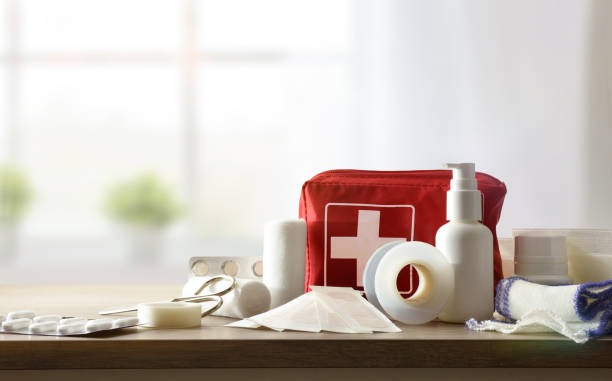
When preparing for a hiking or camping trip, packing a well-stocked first aid kit is a priority. The contents of your kit should be tailored to the length of your trip, the number of people in your group, and the specific activities you plan to undertake. Basic items to include are adhesive bandages of various sizes, sterile gauze pads, adhesive tape, antiseptic wipes, and antibiotic ointment. These items are essential for treating minor cuts, scrapes, and blisters, which are common occurrences during outdoor activities.
In addition to these basics, consider packing a pair of tweezers for removing splinters or ticks, a digital thermometer, and a pair of scissors. It’s also wise to include a triangular bandage, which can be used as a sling or to secure a splint. For pain relief and inflammation, pack over-the-counter medications such as ibuprofen or acetaminophen. If anyone in your group has known allergies, an epinephrine auto-injector should be included. Finally, a first aid manual or guide can be invaluable in providing instructions for treating various injuries and conditions.
HANDLING COMMON OUTDOOR INJURIES
Understanding how to handle common outdoor injuries is as important as having the right supplies. Blisters, for instance, are a frequent issue for hikers. To treat a blister, clean the area with an antiseptic wipe, apply a blister pad or moleskin, and cover it with a bandage to prevent further irritation. If a blister is large and painful, it may need to be drained using a sterilized needle, followed by proper dressing.
Sprains and strains are also common, especially on uneven terrain. The R.I.C.E. method—Rest, Ice, Compression, and Elevation—can be effective in managing these injuries. Rest the affected area, apply ice to reduce swelling, use an elastic bandage for compression, and elevate the limb above heart level. For insect bites and stings, clean the area and apply a cold compress to reduce swelling. An antihistamine can help alleviate itching and discomfort.
DEALING WITH ENVIRONMENTAL HAZARDS
Environmental hazards such as extreme temperatures, altitude sickness, and wildlife encounters can pose significant risks during outdoor adventures. To prevent heat-related illnesses, stay hydrated, wear appropriate clothing, and take breaks in shaded areas. In cold weather, dress in layers and be vigilant for signs of hypothermia, such as shivering, confusion, and fatigue. If hypothermia is suspected, move the person to a warm area, remove wet clothing, and provide warm, non-alcoholic beverages.
Altitude sickness can affect those hiking at high elevations. Symptoms include headache, nausea, and dizziness. To mitigate these effects, ascend gradually, stay hydrated, and rest as needed. If symptoms persist, descending to a lower altitude is crucial. Wildlife encounters, while often thrilling, can be dangerous. Maintain a safe distance from animals, store food securely, and be aware of your surroundings. In the event of an animal attack, follow local guidelines and seek medical attention immediately.
BASIC FIRST AID SKILLS TO KNOW
Having basic first aid skills can make a significant difference in an emergency situation. Learning how to perform CPR is invaluable, as it can save lives in cases of cardiac arrest. Familiarize yourself with the steps of CPR, including chest compressions and rescue breaths. Additionally, knowing how to treat wounds is essential. Clean cuts and abrasions with antiseptic wipes, apply antibiotic ointment, and cover with a sterile bandage to prevent infection.
Understanding how to recognize and treat shock is also important. Symptoms of shock include pale, clammy skin, rapid breathing, and weakness. If someone is in shock, lay them down with their legs elevated, keep them warm, and seek medical help immediately. Lastly, practice using your first aid kit before your trip. Familiarity with the contents and their uses will enable you to respond quickly and effectively in an emergency.
In conclusion, being prepared with the right first aid supplies and knowledge is essential for a safe and enjoyable hiking or camping trip. By packing a comprehensive first aid kit, understanding how to handle common injuries, being aware of environmental hazards, and possessing basic first aid skills, you can confidently navigate the challenges of the great outdoors. Preparation not only ensures your safety but also enhances your overall experience, allowing you to fully immerse yourself in the natural beauty and adventure that hiking and camping have to offer. Being first aid certified can further enhance your preparedness and confidence in handling emergencies.