Introduction
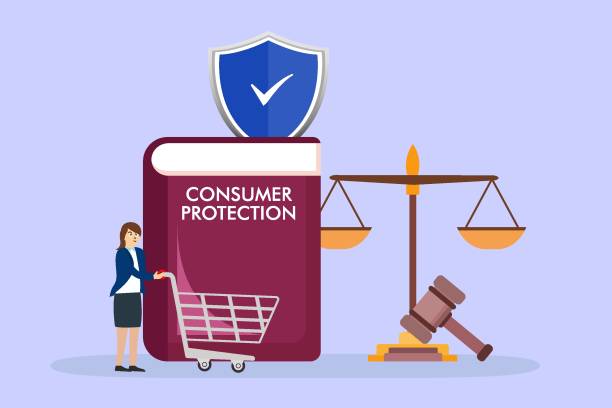
Consumer protection laws exist to ensure fairness, transparency, and safety in the marketplace. They safeguard buyers from fraudulent practices, defective products, misleading advertising, and unfair contract terms. Whether you’re purchasing goods online or in-store, knowing your rights as a consumer can help you make informed decisions and take action if something goes wrong.
1. The Purpose of Consumer Protection Laws
These laws aim to:
- Promote fair trade and ethical business practices.
- Ensure that products and services meet quality and safety standards.
- Provide legal remedies for consumers when businesses act unfairly.
- Build trust between buyers and sellers.
2. Common Consumer Rights
While the specifics vary by country, most consumer protection frameworks guarantee:
- Right to Safety – Products must be safe for intended use and comply with safety regulations.
- Right to Information – Consumers must receive accurate product descriptions, pricing, and terms.
- Right to Choose – Access to a variety of products and services at competitive prices.
- Right to Redress – Ability to seek refunds, replacements, or compensation for defective goods or poor services.
- Right to be Heard – Platforms for consumers to file complaints and provide feedback.
3. Protection Against False Advertising
- Businesses cannot mislead consumers with exaggerated claims or hidden terms.
- Many jurisdictions require clear disclosure of product limitations, warranties, and return policies.
- Influencer marketing and sponsored content must be transparently labeled to avoid misleading audiences.
4. Online Shopping and E-Commerce Protections
With the rise of online shopping, many countries have expanded laws to:
- Guarantee secure payment processing.
- Mandate return and refund policies for defective or misrepresented goods.
- Provide cooling-off periods for certain online purchases.
- Protect personal data and privacy under laws like GDPR (Europe) or CCPA (California).
5. Product Warranties and Guarantees
- Express Warranties: Written promises from the seller or manufacturer about product performance.
- Implied Warranties: Unwritten guarantees that a product will work as intended for a reasonable period.
- Consumers have the right to request repairs, replacements, or refunds if products fail within the warranty period.
6. Unfair Contract Terms
- Contracts must be clear, fair, and free from hidden clauses.
- Courts can void terms that heavily favor the seller or exploit the consumer.
- Buyers should always read agreements carefully before signing.
7. How to Resolve Consumer Complaints
- Contact the seller or service provider directly.
- Provide evidence such as receipts, contracts, or photos.
- If unresolved, escalate the issue to a consumer protection agency or ombudsman.
- As a last resort, consider legal action through small claims court or civil litigation.
8. Staying Informed
- Follow updates from government consumer affairs departments.
- Research your country’s consumer rights before making large purchases.
- Use trusted review platforms and verify seller reputations before buying.
Conclusion
Consumer protection laws empower buyers by ensuring that businesses operate fairly and products meet safety and quality standards. Being aware of your rights can help you shop confidently, avoid scams, and take action when something goes wrong. In a rapidly evolving digital marketplace, staying informed is your best defense as a consumer.