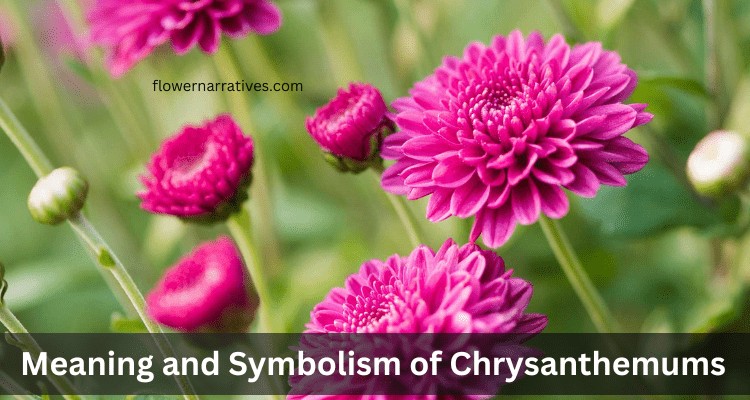
The chrysanthemum flower, with its intricate petals and vibrant presence, is more than just a seasonal bloom—it’s a symbol of deep meaning, tradition, and emotional expression. Across cultures, the chrysanthemum’s meaning shifts from joy and longevity to mourning and remembrance, making it one of the most emotionally complex flowers in the floral world. Whether you’re drawn to the spiritual symbolism of chrysanthemums in Asia or the flower’s association with death and funerals in Europe, this bloom carries layered significance. In this post, we’ll explore the rich chrysanthemum symbolism, the meanings behind its many colors, its cultural importance, and must-know chrysanthemum care tips to keep your garden or home vibrant and meaningful.
Discover emotional flower meanings on our homepage
The Meaning and Symbolism of Chrysanthemums
The chrysanthemum flower carries a wide range of meanings—some joyful, others solemn—depending on where and how it is given. Revered in the East and revered yet mournful in the West, the symbolism of chrysanthemums spans across joy, remembrance, love, and spirituality.
Joy, Longevity, and Prosperity
In many Asian cultures, especially China and Japan, chrysanthemums stand for long life, renewal, and success. These flowers symbolize nobility and strength and are often linked to the sun and autumn harvest. They remind people of balance, reflection, and appreciation for life.
Mourning and Grief
In parts of Europe like France, Belgium, and Italy, chrysanthemums are closely connected to funerals and memorials. People often put them on graves as a way to show respect and remember loved ones. Here, the meaning of chrysanthemums leans more towards loss and the cycle of life and death.
Love, Loyalty, and Truth
In the Victorian language of flowers, chrysanthemums signify true love, loyalty, and happiness. They’re frequently given in romantic settings or to show support and admiration in a gentle way, making them perfect for friendships or light expressions of affection.
Chrysanthemum Day in Japan is one of the five ancient sacred festivals, first celebrated in the year 910 to honor the flower’s association with longevity and imperial power.
The Symbolism of Colors for Chrysanthemum Flowers
Red Chrysanthemums
Symbolized love, passion, and heartfelt feelings. They are frequently used in bouquets to showcase love and deep affection for a person. These flowers are often presented as romantic gifts.
White Chrysanthemums
Represent chastity, simplicity, and honesty. In other parts of the world, like East Asia and certain south-eastern regions of Europe, they are linked to nostalgia and grief, so people tend to opt for these flowers for memorial and funeral ceremonies.
Yellow Chrysanthemums
Symbolize optimism, joy, and positive vibes. They are given freely to wish someone well, bring good luck, or commemorate special days like promotions or birthdays.
Purple Chrysanthemums
Symbolized high status, pride, and honor. In earlier times, these flowers were associated with people of royal lineage.
Pink Chrysanthemums
Symbolized admiration, appreciation, and soft affection. These flowers are usually given to mothers, teachers, and mentors to appreciate their place in their lives and learn to express gratitude appropriately.
Check this post - The Meaning and Symbolism of Carnations

Essential Chrysanthemum Care Tips
Chrysanthemums need enough attention for them to be fully developed. This attention needs to be directed towards the garden where cut flowers are arranged, and the plants when they are still growing.
Sunlight
Chrysanthemums are sun lovers and therefore need 5 to 6 hours of direct sun each day or they could end up being leggy and not blooming at all.
Soil
A bit acidic with a neutral pH of 6-7 and rich in nutrients is the well-drained soil which is more suited for growing. Organic matters such as compost help improve soil fertility and thus enhance better growth and development.
Watering
Water the plant regularly to keep the soil evenly moist between watering sessions. Root rot can occur from overwatering while underwater and may cause wilting in the long run. Spraying text in the morning works best as it allows the foliage to dry out during the hotter parts of the day.
Pruning & Deadheading
Early summer is the best time to pinch back new growth to get thicker plants and more vibrant flowers. Once flowering has ceased, removing petals stops seed growth which could drain more energy than what is needed.

Fascinating Facts About Chrysanthemums
The Official Flower of the Sun
In Japan, the chrysanthemum is the national flower and is associated with the Imperial Family. They even have a “Chrysanthemum Day” (Kiku no Sekku) on September 9th, which is also known as the Festival of Happiness. The flower looks a lot like the sun, which ties it to energy, life, and renewal.
Chrysanthemums Are Natural Insect Repellents
These beautiful blooms aren’t just pretty—they also help keep pests away! There’s a compound in chrysanthemums called pyrethrin that acts as a natural insecticide. This makes them useful for gardeners who want to avoid harmful chemicals.
You Can Drink Them
Chrysanthemum tea is quite popular in East Asia and is known for being cooling and calming. It’s more than just a trendy drink; it’s been part of traditional herbal medicine and is often enjoyed during seasonal changes to help balance the body.
Each Petal Has Meaning
In the language of flowers, each petal of the chrysanthemum is said to symbolize love and devotion. In some wedding traditions, they are included in bouquets to represent joyful new beginnings and lasting happiness.
See this post - Why white flowers are seen as both pure and unlucky
Frequently Asked Questions (FAQs) About Chrysanthemums
1. How long do chrysanthemums bloom?
Depending on their variety, chrysanthemums typically bloom from late summer until autumn and can last for weeks with proper maintenance. Some may be tricked into blooming a few times within the season through deadheading and cutting back.
2. Can chrysanthemums grow indoors?
Certainly, the potted chrysanthemums can flourish indoors if they receive bright sunlight and proper care. These plants are usually grown as seasonal indoor plants but require nice bright windows to be productive.
3. Are chrysanthemums poisonous to pets?
Yes, they are poisonous to cats and dogs if ingested; moderate to mild digestive issues may arise. Vomiting, diarrhea, and excessive drooling may occur.
4. What does a chrysanthemum symbolize in culture?
In Asia, they stand for long life, wisdom, and nobility. They are, however, associated with deaths and memories in several European countries.
5. Do chrysanthemums require winter protection?
Yes, in colder climates, mums should be mulched or brought inside to protect them from cruel winters. The perennials can be easily overwintered with little effort.
Conclusion: The Timeless Elegance of Chrysanthemums
Whether you’re admiring them in a fall bouquet, planting them in your garden, or sipping them in a calming tea, the chrysanthemum flower brings with it centuries of cultural depth, emotional significance, and botanical charm. From chrysanthemum symbolism tied to joy, grief, and nobility to practical chrysanthemum care tips that keep these blooms thriving, this flower is a beautiful reminder of life’s layers. Embrace the elegance, explore the meaning of chrysanthemums, and let each petal speak a story of its own—rooted in tradition, but blooming in the present.
Stay connected with Flower Narratives for more insights into the fascinating world of flowers.