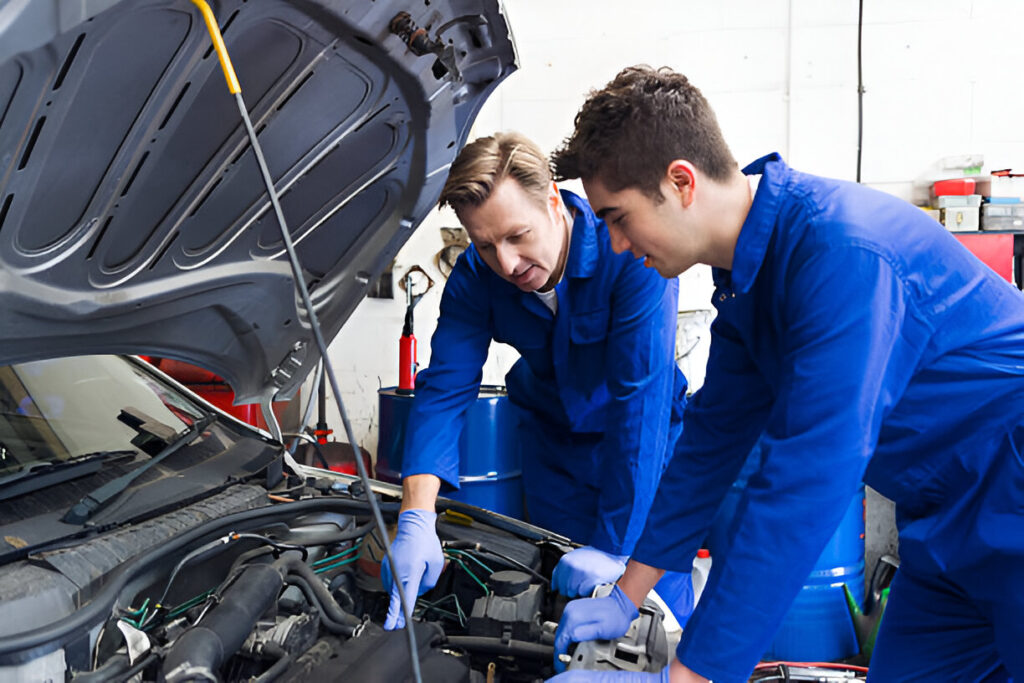
A car is one of the biggest investments most people make, and like any investment, it needs proper care to keep its value and performance intact. Neglecting regular maintenance might save you a little money today, but it will cost you thousands in the long run through breakdowns, costly repairs, and reduced resale value. The good news? With some proactive care, you can extend your car’s life, improve its safety, and save a significant amount of money.
Below are the most important car maintenance tips every vehicle owner should follow.
1. Stick to Regular Oil and Filter Changes
Your engine oil lubricates moving parts, reduces friction, and prevents overheating. Over time, oil breaks down and becomes dirty, leading to increased wear and potential engine damage.
- Why it saves money: Skipping oil changes can cause engine failure, which might cost $3,000–$7,000 to replace.
- How often: Every 5,000–7,500 miles (or as per your manufacturer’s recommendation).
- Pro Tip: Change the oil filter along with the oil to ensure optimal performance. Using synthetic oil can also improve longevity in some engines.
2. Check and Maintain Tire Health
Tires directly affect fuel economy, safety, and handling. Driving with underinflated tires increases rolling resistance, wearing them out faster and reducing gas mileage.
- Why it saves money: Proper tire maintenance avoids premature replacements (saving $400–$1,000) and reduces accident risk.
- How often: Check tire pressure at least once a month and before long trips. Rotate tires every 6,000–8,000 miles.
- Pro Tip: Keep them inflated to the recommended PSI (found in your car manual or driver’s door frame) and replace tires before the tread depth reaches 2/32 inches.
3. Replace Brake Pads Before They Damage Rotors
Brake pads are inexpensive compared to rotors and calipers. If pads wear out completely, metal-to-metal contact will ruin the rotors.
- Why it saves money: Brake pad replacement costs $150–$300, while rotor replacement can cost $500–$1,000.
- How often: Inspect brakes every 10,000 miles or at the first sign of squealing or grinding.
- Pro Tip: Don’t ignore the brake warning light—it could prevent a costly and dangerous failure.
4. Keep Fluids Topped Up
Your car relies on several fluids—engine coolant, brake fluid, transmission fluid, and power steering fluid—to operate efficiently.
- Why it saves money: Running low or dirty fluids can lead to overheating, transmission failure, or brake malfunctions—repairs costing thousands.
- How often: Check fluid levels monthly and flush them according to your service manual.
- Pro Tip: Use only manufacturer-recommended fluids to avoid compatibility issues.
5. Replace Air Filters Regularly
A clogged engine air filter restricts airflow, causing the engine to work harder and burn more fuel.
- Why it saves money: An air filter costs $20–$50 but improves mileage and prevents engine strain.
- How often: Every 12,000–15,000 miles or sooner if you drive in dusty areas.
- Pro Tip: Also check the cabin air filter to keep your AC working efficiently.
6. Inspect Belts and Hoses
Belts control vital engine components like the alternator and water pump, while hoses carry critical fluids.
- Why it saves money: A snapped belt or burst hose can cause catastrophic engine damage, costing $1,000+.
- How often: Inspect every oil change for cracks, fraying, or leaks.
- Pro Tip: Replace timing belts every 60,000–100,000 miles to avoid engine failure.
7. Keep Your Battery in Top Shape
A weak battery can leave you stranded and damage sensitive electronics.
- Why it saves money: A $100–$200 battery replacement is far cheaper than a $500–$1,000 alternator repair.
- How often: Check voltage twice a year and clean terminals regularly.
- Pro Tip: Replace batteries every 3–5 years, even if they seem fine.
8. Wash and Wax Regularly
Dirt, salt, and grime can cause rust and corrosion, especially in areas with harsh winters.
- Why it saves money: Preventing rust can save thousands in bodywork repairs and maintain resale value.
- How often: Wash every two weeks and wax every 3–6 months.
- Pro Tip: Don’t forget to clean the undercarriage.
9. Follow the Manufacturer’s Service Schedule
Your owner’s manual includes a recommended maintenance plan tailored to your car model.
- Why it saves money: Preventive maintenance addresses issues before they become costly problems.
- How often: As outlined in your manual—usually every 5,000–10,000 miles.
- Pro Tip: Keep all service records—they increase resale value and help with warranty claims.
10. Adopt Smooth Driving Habits
Aggressive driving (rapid acceleration, hard braking, speeding) increases wear on your car’s engine, brakes, and suspension.
- Why it saves money: Gentle driving reduces repair costs and improves fuel efficiency by up to 30%.
- Pro Tip: Use cruise control on highways to maintain a steady speed.
Bonus Tip: Address Issues Early
If you hear unusual noises, smell something odd, or see warning lights, act immediately. Early intervention is almost always cheaper than waiting for a breakdown. For reliable replacement parts and budget-friendly solutions, platforms like Ovoko can also help car owners address issues before they turn into costly repairs. When it comes to moving or transporting vehicles safely across regions, choosing a trusted Car Transport Company Nottinghamshire can help ensure your car arrives in excellent condition without the added wear and tear of long-distance driving.
Final Thoughts
Car maintenance might feel like a chore, but it’s the key to avoiding massive repair bills and keeping your vehicle safe and reliable. A little attention now can save you thousands later—plus, it makes driving more enjoyable and stress-free.
Regular maintenance is key to extending the life of your vehicle and ensuring it runs smoothly. While some tasks can be done at home, others might require professional attention. For those times when you need expert help, it’s beneficial to explore more online resources that offer convenient solutions. Mobile service options, for instance, can bring the expertise directly to your doorstep, saving you time and effort. By staying informed and utilizing available services, you can keep your car in top condition without breaking the bank. Remember, a well-maintained vehicle not only performs better but also retains its value over time.