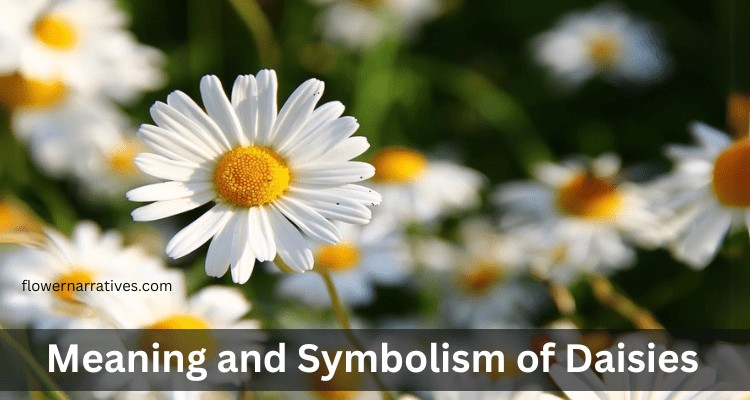
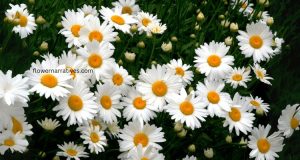
Daisies are some of the most popular and recognized flowers internationally. Their beautiful appearance consisting of thin petals surrounding a disk demonstrates their purity, innocence, and fresh beginnings. Daisies come in diverse colors that hold different meanings and value in different cultures. In this post, we’ll look into the history, symbolism, emotional attachment, care, and the meanings associated with daisy colors.
The Meaning and Symbolism of Daisies
Daisies have been connected to many meanings throughout history. Their vibrant and positive appeal makes these flowers a widely loved addition to a garden or floral arrangement. Here are some key symbolic meanings of daisies:
Innocence and Purity
Decades of association between innocence and purity of children make the white petals of a daisy ideal for bridal bouquets and baby showers.
New Beginnings
Daisies are blooms of spring which is a time for a fresh start. Our new journeys are symbolized with fresh daisies, making them perfect gifts for graduates and everyone stepping into a new chapter of their lives.
Loyal Love
The saying “he loves me, he loves me not” comes from the practice of removing daisy petals to tell one’s romantic fortune.
Check this post - Sunflower Meaning and Symbolism
The Symbolism Behind All The Colors of Daisies Flowers
Daisies grow in a number of shades, all of which have a deeper meaning: Although white daisies are the most popular, they are also known for their special meanings.
White Daisies
These represent purity, innocence, and freshness of beginnings and are therefore common in baby showers and weddings.
Yellow daisies
More cheerful than white, yellow daisies symbolize friendship and joy and can work wonders when trying to cheer up a person.
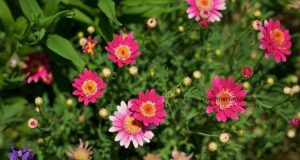
Pink Daisies
These embody admiration, love, and femininity, thus making pink daisies perfect for expressing appreciation and gratitude.
Red-Daisies
Sturdy stands for strength, passion, and courage, bold red makes a strong statement of determination and love and red daisies make exactly that.
Purple Daisies
A great way to express deep emotions Purple daisies stands for spiritual and creative growth, along with enchantment and mystery.
Blue Daisies
They aid in calming the mind and relax the body. These daisies stands for peaceful inspiration and tranquility.
Adding the appropriate colored flower can take your floral bouquet or arrangement to the next level of expression.
The Emotional Resonance of Daisies
Daisies evoke a sense of lightheartedness and comfort. Their simple yet radiant beauty makes them a favorite among those who appreciate nature’s effortless charm. Whether used in flower arrangements, wildflower meadows, or daisy chains, they bring a sense of nostalgia and warmth.
Daisies are also known for their connection to childhood and carefree days, often appearing in fairy tales and children’s stories. Their ability to grow almost anywhere reflects resilience and adaptability, reminding us to bloom even in difficult circumstances.
Essential Daisy Care Tips
Sunlight
Daisies are sun-loving flowers that thrive best in full sunlight. They require at least 6 to 8 hours of direct sunlight daily to maintain their vibrant blooms and strong stems.
Soil Type
Daisies prefer well-draining soil that is rich in organic matter but not overly heavy. A slightly sandy or loamy soil with a pH level between 6.0 and 7.5 is ideal.
Watering
Although daisies are relatively drought-tolerant once established, they still require regular watering, especially during the growing season.
Pruning and Deadheading
Regular pruning and deadheading (removing spent flowers) are key to keeping daisies looking their best. Deadheading prevents energy from going into seed production and encourages new blooms.
Pest and Disease Prevention
Daisies are relatively resistant to pests and diseases, but they can occasionally attract unwanted visitors such as aphids, spider mites, and slugs.
Frequently Asked Questions (FAQs) About Daisies
1. Are daisies only white in color?
Certainly not. While the classic daisy is described as having petals that are white with a yellow center, they come in many colors, including pink daisies, red-daisies, yellow daisies, to purple-daisies.
2. Are daisies annual flowers, or perennial flowers?
Some daisies are perennials, such as Shasta daisies that return every year, while others, especially Gerbera daisies, are treated as annuals in colder climates.
3. Can you grow daisies indoors?
Yes, some varieties can be grown in pots indoors as long as they get plenty of sunlight, e.g. Gerbera daisies.
4. What do daisies stand for in love?
Daisies are a symbol of true love, loyalty, and faithfulness, making them the best flower to give someone special.
5. When did daisies start blooming?
Daisy blooms start in early spring and extend into summer. Some exceptions exist when proper care may extend the bloom into fall.
Conclusion
Daisies continue to be a favorite flower for many due to their simplicity, resilience, and joyful symbolism. Whether you’re planting them in your garden, gifting them to a loved one, or using them in a bouquet, these flowers bring a touch of optimism and beauty wherever they go. Their variety of colors and meanings allow for personalized floral expressions, making daisies a timeless and versatile bloom.
Stay tuned to Flower Narratives for more insights into the wonderful world of flowers!