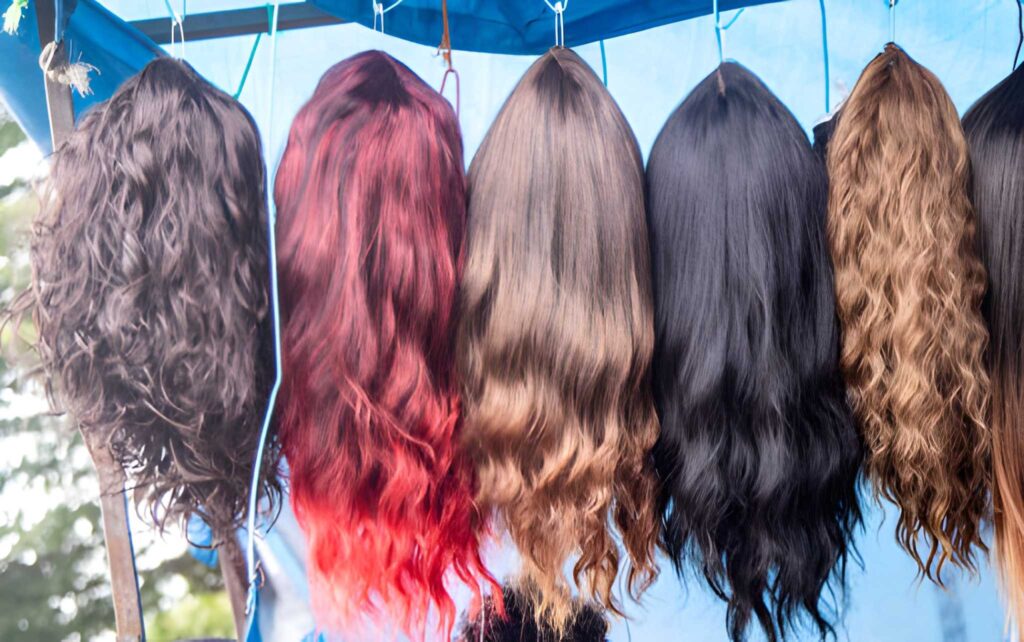
Keeping a lace wig looking natural for months comes down to gentle, consistent care rather than aggressive routines. Think of your unit as a delicate garment: the lace is fine, the knots are hand-tied, and both can weaken with friction, heat, and product buildup. With a few mindful habits—smart detangling, balanced cleansing, careful drying, and tidy storage—you can preserve the hair’s movement, shine, and the lace’s integrity without constant salon visits.
Understanding Your Lace Wig
Lace wigs use a sheer base to simulate a scalp and hairline, and that realism is what you’re protecting. Swiss and HD lace are popular for their thinness, but thinness also means vulnerability. Human hair units respond well to heat styling and can handle richer products, yet they need moisture management to avoid dryness at the ends. Synthetic fibers arrive pre-styled and are lower maintenance, but they dislike heat and heavy serums. Recognizing what your unit is made of guides everything else—from water temperature to the products you choose and how you touch the lace when you comb.
Daily Handling and Detangling
Begin and end your day by treating tangles before they become stress points. Hold the lace front or parting with your fingertips and work from the ends upward using a wide-tooth comb or a soft wig brush. If you encounter a stubborn knot, pause, mist a wig-safe detangler, and ease through rather than tug. Keep the hairline clean of oils and thick gels so the lace doesn’t clog or adhesives break down. Even with a sleek style like a black bob wig, anchoring the lace with your hand while brushing prevents tension on the knots and preserves the hairline’s realism.
Cleansing: When and How to Wash
Wash only as often as your lifestyle and product use demand—typically every 10–15 wears for human hair and 15–20 for synthetic. Before washing, fully detangle to avoid pulling in water. Submerge the wig in cool to lukewarm water and swirl gently with a small amount of sulfate-free shampoo for human hair or a wig-specific cleanser for synthetics. Avoid rubbing the lace or twisting the fiber. Rinse in cool water until it runs clear; hot water can relax pre-set styles and invite frizz, especially for synthetic units.
Conditioning for Softness and Shine
Conditioning is less about coating everything and more about targeting friction zones. Smooth a lightweight, silicone-balanced conditioner through mid-lengths and ends, taking care to keep it off the knots and lace base. After a brief pause, rinse thoroughly with cool water to seal the cuticle. Human hair wigs benefit from a periodic deep mask applied away from the lace, while a pH-balanced leave-in or a drop of serum on the ends can keep movement silky without weighing roots down.
Drying the Right Way
Water makes fibers elastic and lace pliable, so drying is where patience pays off. Press—not wring—excess moisture with a microfiber towel. Place the unit on a ventilated wig stand or mannequin so air can circulate and the hairline can retain its shape. If you must blow-dry a human hair wig, keep heat low, use a diffuser, and move continuously, steering clear of direct, high heat on the lace. Letting the unit reach full dryness before styling prevents frizz and knot slippage.
Styling Without Damage
Approach styling with a “least heat necessary” mindset. Human hair responds beautifully at lower temperatures—ideally under 300°F/150°C—when paired with a feather-light heat protectant concentrated away from the lace edge. For synthetic units, rely on non-thermal methods or the manufacturer’s approved heat settings if labeled heat-friendly; steam rollers or cool tools reshape without scorching. Choose wide-tooth combs for everyday grooming and a soft boar-bristle brush to tame surface flyaways. If you sculpt baby hairs, favor water-based gels sparingly and clean the hairline regularly to avoid residue buildup.
Adhesives, Removers, and Lace Care
A secure install starts with clean skin and measured adhesive. Prep your hairline with an oil-free wipe and allow it to dry fully. Apply thin, even layers of glue or tape, waiting for tack before seating the lace so excess doesn’t seep into the mesh. When it’s time to remove, patience protects the knots: saturate the perimeter with a lace-safe remover, wait a couple of minutes, and lift in sections while supporting the lace with your fingertips. After detachment, use a cotton swab to clear residue from the lace edge and follow with a mild cleanse to keep pores clear and flexible.
Storage and Protection
Where and how you store your wig determines how much friction and dust it meets between wears. On short breaks, a ventilated stand away from sunlight keeps the style open and the lace unwarped. For longer periods, a satin-lined bag or box with a small desiccant pouch guards against humidity and lint; always store the unit clean, dry, and detangled to prevent mildew and matting. When traveling, a structured case with a satin wrap cushions the hairline and preserves the set.
Routine Schedule You Can Follow
A simple cadence makes maintenance effortless. Each day, do a light detangle and, if you use adhesives, blot perspiration and residue from the hairline with a damp cloth. Once a week, refresh the lace perimeter if gels or sprays are in play and tidy the parting with a touch of powder only when needed. Every few weeks, complete a full wash and condition; if your unit is human hair, add a deep treatment on that cycle and reevaluate strap elasticity and fit for comfort.
Color and Longevity Tips
Color-treated human hair tends to dry faster at the ends, so choose color-safe wash products and consider a UV-protectant mist if you spend time outdoors. Minimize exposure to chlorine and saltwater; if contact happens, rinse promptly and restore moisture with a light conditioner. Hairsprays high in alcohol content can cause stiffness and micro-breakage—reserve them for special occasions and aim for flexible-hold formulas instead.
Common Mistakes to Avoid
Most damage comes from force or heat where the lace is weakest. Brushing aggressively when wet stretches fibers and loosens knots. Saturating roots with heavy oils migrates product into the lace, weakening adhesive bonds and trapping dirt. Direct, high heat at the hairline can warp mesh or melt synthetic fibers, and stuffing a wig into a drawer flattens volume and creases the lace. Small, gentle choices add up to months of extra wear.
Choosing the Right Lace for Longevity
Construction affects upkeep. Units built with 4×4 lace wigs offer a focused parting area that’s easier to maintain and generally more durable than full lace while still delivering realism where it counts. If you love frequent part shifts and updos, full lace provides freedom but demands a lighter touch and more frequent, careful maintenance to protect the broader lace surface.
Final Takeaway
A long-lasting lace wig doesn’t require complicated rituals—just consistent, thoughtful care. Handle gently, cleanse and condition with intention, dry without haste, style with restraint, and preserve the lace with smart adhesive practices and clean storage. Treat your unit like a fine fabric and it will keep rewarding you with a polished, natural look day after day.