Running a gas station? You’re basically painting a target on your back for every criminal in a 10-mile radius. The numbers don’t lie. Over the past five years, 60% of companies have dealt with physical security breaches. That’s not just a statistic that’s your neighbor, your competitor, maybe even you if you’re not careful.
Security camera shopping feels overwhelming when you’re trying to run a business. But here’s what successful gas station owners have figured out: throwing random cameras around your property isn’t security, it’s expensive decoration.
You need the right cameras in the right spots, each doing a specific job. Think of it like assembling a sports team. Every position matters, and when they work together? Game over for the bad guys.
1. Dome Security Cameras for Business: Your Indoor Guardian Angels
Think of dome security cameras as your quiet indoor guardians, always watching over your business without being intrusive. Their discreet design blends seamlessly into any space, giving you peace of mind while deterring potential threats. Whether it’s protecting your employees, monitoring customer areas, or safeguarding valuable assets, these cameras provide a reliable layer of security so you can focus on running your business with confidence.
360-Degree Coverage Capabilities
Here’s where dome cameras get really interesting. Modern versions can see everything and some models give you true 360-degree coverage, which means fewer cameras overall and zero blind spots for shoplifters to hide in. You know those corners where people think they’re invisible? Not anymore. These cameras capture entire store sections in one sweep, which is perfect when you’ve got customers weaving between aisles like they’re on a treasure hunt.
The same technology extends to advanced gas station surveillance, allowing operators to monitor pumps, entrances, and parking areas without the need for multiple standalone systems. With this level of coverage, it becomes easier to track vehicle activity, safeguard staff, and deter theft or vandalism in real time. And while indoor monitoring is essential, the real challenges often happen outside in the parking lot and around the fuel islands, where risks are higher and security matters most.
2. PTZ Cameras: Advanced Live Video Surveillance Control
PTZ stands for Pan-Tilt-Zoom, but you can think of them as your remote-controlled security ninjas. Unlike stationary cameras, these devices actively scan, zoom, and track suspicious activity, giving you dynamic, and real-time coverage exactly where it’s needed most.
Remote Monitoring and Control Features
Picture this: you’re at home watching Netflix, and your phone buzzes with an alert. Someone’s acting sketchy around your fuel pumps. With PTZ cameras, you don’t just watch helplessly. You take control, zoom in on their license plate, follow them around the property, and if needed, trigger your alarm system all from your couch.
These cameras come with preset patrol routes, so they automatically scan your high-risk areas even when nobody’s watching. It’s like having a security guard who never gets bored or distracted by their phone.
License Plate Recognition Technology
This is where technology feels almost futuristic. AI-powered PTZ cameras can automatically capture and log every license plate that enters your property, creating a searchable database in real time. They can even flag vehicles on police watchlists, making them an invaluable tool for crime prevention and community safety.
In many ways, they become an extension of local law enforcement support. Even the smartest indoor systems have their limits, outdoor environments demand equipment tough enough to handle whatever mother nature throws their way.
3. Bullet Cameras: Perimeter Protection and Fuel Island Monitoring
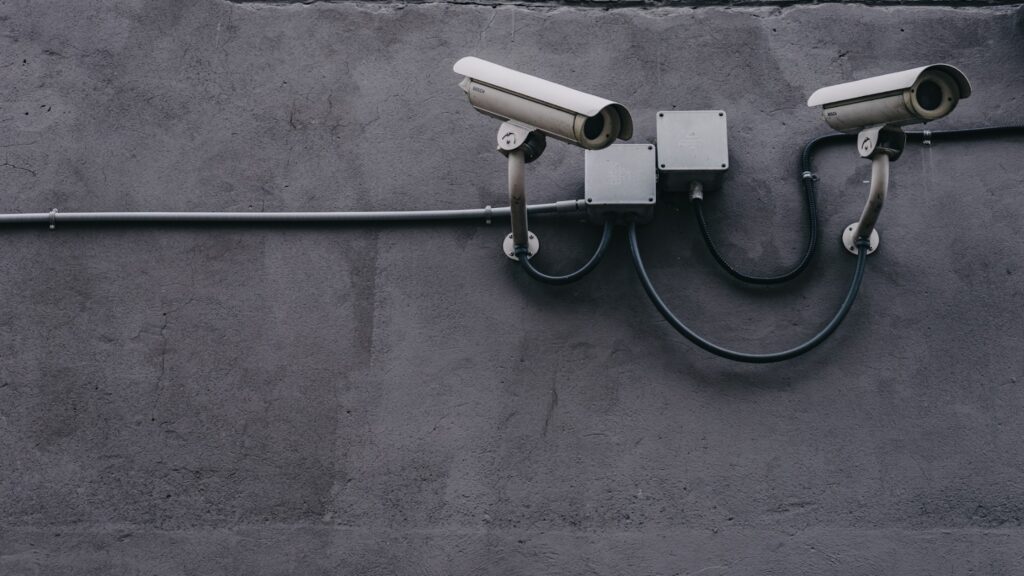
If dome cameras are your security guards, bullet cameras are your sentries. They stand watch outside, rain or shine, keeping an eye on everything that matters most: your fuel islands, parking lot, and property perimeter.
Weather-Resistant Outdoor Performance
These cylindrical workhorses laugh at weather that would kill your smartphone. IP67 and IP68 ratings mean they’re completely sealed against dust, rain, snow, and pretty much anything except a direct hurricane hit.
Temperature swings from -40°F to 140°F? No problem. UV rays that would turn your car’s dashboard into plastic soup? They’ve got UV-resistant housings. These cameras are basically the Nokia phones of the security world.
Long-Range Surveillance Capabilities
Here’s where bullet cameras really shine. Varifocal lenses let you adjust the viewing angle from wide coverage to detailed close-ups without moving the camera. Need to see someone’s face at pump number 8? Zoom in. Want to monitor your entire fuel island area? Zoom out.
Night vision extends up to 200 feet in complete darkness. That’s the length of two football fields, which means late-night troublemakers can’t hide in the shadows around your property. But even the best traditional cameras miss the most dangerous threats lurking around gas stations.
4. Thermal Imaging Cameras: Next-Generation Threat Detection
Thermal cameras see what your eyes can’t heat. And at a gas station, unexpected heat signatures usually mean big trouble.
Fire Hazard Prevention and Detection
Remember, in 2022 alone, large-scale industries recorded 5,486 fatal work injuries. Gas stations aren’t just robbery targets, they’re potential disasters waiting to happen.
Thermal cameras monitor heat patterns around your fuel dispensers, storage tanks, and electrical equipment. They spot overheating problems before you see flames, potentially saving you from catastrophic explosions that would literally blow your business to smithereens.
Perimeter Security Enhancement
intruders can wear all-black clothing, hide behind objects, or wait until the darkest night their body heat still gives them away. Thermal cameras work perfectly in fog, rain, and complete darkness when traditional cameras see nothing but black.
5. AI-Powered Analytics Cameras: Smart Business Security Systems
Welcome to the future, where your cameras don’t just record, they understand what they’re seeing and make decisions based on that information.
Facial Recognition and Customer Analytics
These smart cameras identify your VIP customers for better service while automatically flagging troublemakers you’ve banned from the property. They help with age verification for tobacco and alcohol sales, reducing your liability risks.
But here’s the really impressive part: they learn your normal customer patterns. They know how people typically behave in your store, which means they spot unusual behavior that might indicate trouble brewing.
Behavioral Analysis and Theft Prevention
AI algorithms recognize suspicious activities like loitering near expensive merchandise, weird movement patterns, or attempts to conceal items. Instead of waiting for theft to happen, these systems send instant alerts to your smartphone so you can intervene before anything goes missing.
This proactive approach cuts inventory shrinkage dramatically while keeping your store environment safer for everyone.
Essential Camera Installation Considerations
All these amazing cameras mean nothing if they’re installed wrong. Professional camera installation isn’t just about mounting boxes on walls, it’s about understanding traffic patterns, lighting conditions, and where vandals are most likely to strike.
Good installers position cameras to capture clear facial images while avoiding backlighting that turns faces into dark silhouettes. Your network infrastructure needs to handle high-resolution video streaming without creating recording gaps during critical moments.
Common Questions About Gas Station Camera Systems
How many cameras does a typical gas station need for complete coverage?
Most gas stations require 8-12 cameras minimum, covering fuel islands, store interior, cash registers, and perimeter areas for comprehensive protection.
What resolution should cameras have for license plate recognition?
License plate cameras need minimum 1080p resolution, though 4K provides better clarity for evidence collection and prosecution.
Can gas station cameras integrate with existing POS systems?
Yes, modern systems sync camera footage with transaction data, letting you review sales activities and identify suspicious purchase patterns.