

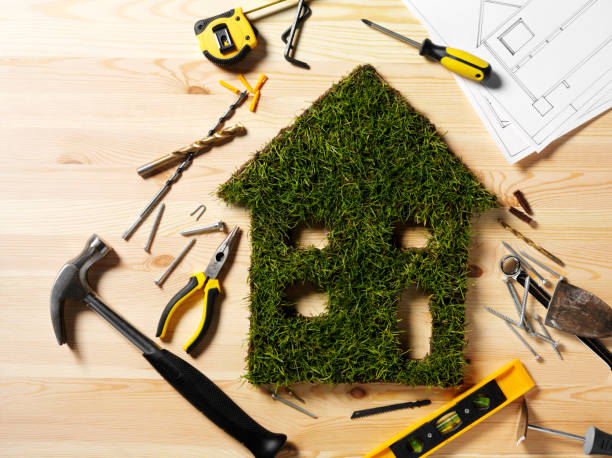
Looking after your home doesn’t have to mean wasting too much time or energy. Plus, more and more people are making eco-friendly choices, which is not only good for the environment, but also cuts down bills and protects their health.
Here are seven small shifts can make a huge difference for your household.
- Eco-Friendly Materials
Using such materials is not only great in terms of maintenance, but also beneficial for the environment. Bamboo and reclaimed timber are great examples. They’re durable, stylish, and far more sustainable than many conventional choices.
For instance, you can pair bamboo flooring with rustic details or custom furniture to give your home a polished, eco-friendly vibe.
Even something as simple as choosing low-toxin paint instead of the chemical-heavy kind can instantly freshen the air and make your rooms feel more comfortable.
Besides, tracking down these materials isn’t the headache it once was. Local suppliers and online retailers now stock everything from eco-friendly paints to reclaimed wood, often with plenty of guidance to help you make the right pick.
Check for environmental certifications, too. They’re a guarantee that what you’re buying truly lives up to its “green” label.
While eco-friendly options can sometimes cost a bit more upfront, they usually pay their cost many times over in time. That’s because they tend to be tougher, which means fewer repairs and replacements.
Plus, if you ever decide to sell your home, you’d impress potential buyers and get a better overall price.
- Energy-Efficient Upgrades
Adding energy-saving features to your home is one of those choices that pays off in more ways than one. You’ll see lighter utility bills while also shrinking your carbon footprint. Now, that’s a pretty good trade-off.
Upgrading your appliances is a smart place to begin. They use less power, which means less money leaving your wallet each month, and there’s a nice bonus in knowing your everyday routines are a little greener.
Even simple swaps, like replacing old bulbs with LEDs, can have a huge impact. They last longer and use far less energy. Besides, you don’t have to think about changing them as often.
Pair that with a smart thermostat, and you’ll stay cosy without wasting heat or air conditioning.
Yes, the upfront cost can seem steep, but there’s often support to help you get started. Energy audits, rebates, and grants are out there to guide your choices and offset some of the expenses.
And the payoff comes quicker than you might expect. Lower bills show up immediately, and the value of your home gets a boost as well.
With eco-friendly tech becoming more popular every year, investing now is a smart move for both today and tomorrow.
- Water-Saving Solutions
Cutting back on water usage is a simple but powerful way to make your home more sustainable. Simple upgrades like flow restrictors and dual-flush toilets make a surprising difference. They do the same job but use far less water, which is great for reducing costs.
Rainwater collection systems are another step in the right direction. Use the rainwater for jobs like watering the garden, cleaning the car, and taking the pressure off your mains supply. Just check any local rules before installing one.
Check for leaky taps, too. They can seem harmless at first, but they can quietly waste a lot of water. Fixing them quickly saves both water and cash.
Keeping tabs on your usage is another thing not to overlook. Simple checks here and there can prevent costly surprises.
- Sustainable Gardening
Making your garden more eco-friendly doesn’t have to mean endless watering or back-breaking work. In fact, working with nature instead of against it often makes things easier and keeps your outdoor space looking vibrant.
One smart approach is xeriscaping, which uses plants that naturally need less water, perfect if you live in a drier climate.
Another option is to go for native plants and blooms. They’re low-maintenance, blend beautifully into the local environment, and give pollinators as well as wildlife a boost at the same time.
To keep things healthy, skip the harsh chemical sprays. Your lawn and soil will thank you, and you’ll still get a lush look by mixing plant colors and textures. Think of it as outdoor decorating with nature’s palette.
Local nurseries are a goldmine for native plants and advice, so you don’t have to figure it all out on your own.
On top of that, composting is a great way to recycle kitchen scraps into nutrient-rich soil. Pair it with simple upkeep like mulching or trimming, and your garden stays green and lively without eating up every free weekend.
At first, eco-friendly gardening might sound like a big project, but it’s really about small, steady changes. Tackle one habit at a time, and before you know it, you’ll have a thriving, low-maintenance green haven.
- Smart Home Technology
Smart gadgets aren’t just cool add-ons—they can actually make your home more efficient, eco-friendly, and easier to manage day to day.
From sprinklers that save water to lights that know when to switch off, these tools are designed to cut waste while keeping life convenient.
Take smart sprinklers, for example. They’ll check the weather before watering so you’re not soaking the lawn right before it rains. Or sensor lighting, which only switches on when it’s needed—no more lying in bed wondering if you left the lights on downstairs.
Before jumping in, it’s worth checking whether new devices will work smoothly with what you already have at home.
Reading product info or getting advice from a smart home specialist can save you headaches later. Most gadgets also come with user-friendly apps, so you can control water, heat, and energy straight from your phone without needing to be tech-savvy.
Sure, the upfront cost can feel like a splurge, but if you calculate the long-term savings, they usually speak for themselves.
- Upcycling and DIY Maintenance
Upcycling and DIY projects are a fun, eco-friendly way to freshen up your home without spending much. Instead of tossing things out, you’re giving them a second life, and saving money in the process.
Think wooden pallets turned into outdoor seating or glass jars repurposed to store small essentials.
These projects add character to your space, and the best part is, no two creations are ever the same. It’s a chance to make your home feel more personal while keeping waste out of the bin.
If you’re short on ideas, the internet is full of inspiration, from quick beginner projects to bigger challenges. Get the family involved and it becomes a shared activity that everyone can enjoy.
At the end of the day, upcycling isn’t just about saving resources. It’s about adding unique touches to your home and showing guests a bit of your creative side.
- Professional Cleaning Services
Cleaning services aren’t what they used to be. Many are now trading in harsh chemicals for non-toxic products and eco-friendly methods.
As a result, you are rewarded with a home that shines without leaving behind fumes or environmental guilt.
Contacting an eco-conscious housekeeping cleaning crew can be especially helpful if your schedule is packed or if allergies are an issue. There’s also the added bonus of knowing your money is supporting businesses that are trying to do right by the planet.
When choosing a service, take a quick look at what they use. Non-toxic sprays, durable microfibre cloths, and water-saving techniques are all good signs you’ve found a team that’s serious about sustainability. Then you can sit back, relax, and let the pros handle everything.
Conclusion
Making your home more sustainable is about small choices that add up over time. Each step makes your space a little more comfortable, easier to run, and a lot more planet-friendly.
Start where it feels doable or where you think it will make the most difference. Remember to enjoy the process, and let those changes grow into habits. Before long, you’ll find you wish you had done them sooner.

