The hibiscus flower’s meaning goes far beyond its tropical charm and vibrant petals. Across cultures and traditions, the hibiscus symbolism is rich, varied, and deeply emotional. Whether you’re admiring its bloom in a sunny garden or gifting it to a loved one, understanding the meaning of hibiscus adds a new layer of appreciation to this striking flower.
But what does hibiscus symbolize exactly? From representing delicate beauty and passion to symbolizing personal power and feminine energy, the meaning of the hibiscus flower can shift depending on its color and cultural context. The red hibiscus flower meaning, for instance, is often linked to love and desire, while the blue hibiscus flower meaning leans toward serenity and peace. Even the gumamela flower meaning (as hibiscus is called in the Philippines) carries significance related to healing and spirituality.
Whether you’re curious about the symbolic meaning of hibiscus flowers, their presence in myths, or simply wondering what a hibiscus flower symbolizes, this guide will explore the full spectrum of hibiscus flower symbolism, flower meanings, and even the hibiscus plant’s meaning in your personal journey or spiritual path.
Check this post - The Meaning and Symbolism of Dandelions
The Meaning and Symbolism of Hibiscus
The meaning of hibiscus flower has captivated hearts for centuries, thanks to its exotic appearance and cultural importance across the globe. The hibiscus flower symbolism often revolves around beauty, femininity, and fleeting moments—after all, most hibiscus blooms only last a single day, reminding us to savor life’s passing joys.
In many traditions, the hibiscus flower’s meaning is closely tied to delicate charm and elegance. In Hawaiian culture, for example, wearing a hibiscus behind the ear symbolizes relationship status—left ear for taken, right ear for single—making the flower hibiscus meaning one of love, attraction, and emotional openness.
Delicate Beauty and Femininity
The hibiscus, often linked to the goddess of love and femininity, symbolizes grace, beauty, and the ephemeral nature of youth.
Passion and Love
The hibiscus flower has been perceived as a symbol of passionate love and romance in many cultures, particularly within the tropics.
Power and Respect
In places like Hawaii and Tahiti, the hibiscus symbolizes respect and can represent someone strong, yet gentle.
Transience and the Present Moment
As the hibiscus bloom often lasts only a day, it reminds us to cherish the present and appreciate fleeting moments.
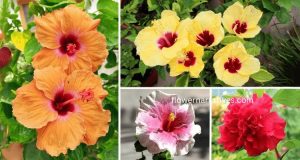
Colors of Hibiscus and Their Symbolic Meanings
Whether you’re reflecting on the hibiscus symbolic meaning, exploring what a hibiscus flower symbolizes, or curious about what do hibiscus flowers represent, this flower tells a powerful story of emotional expression, spiritual awareness, and timeless allure. The meaning of hibiscus, in all its vibrant hues, truly resonates with those who live life boldly and beautifully.
Red – Love and Passion
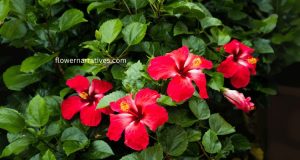
A red hibiscus flower stands for very deep love, desire, and passion, symbolizing intense emotions and the passions found in romantic orientation.
Yellow – Joy and Friendship
A symbol of sunshine, cheer, and companionship. In Hawaii, the yellow hibiscus represents hospitality and happiness.
White – Purity and Clarity
White flowers symbolize innocence, spiritual growth, and a peaceful aura. They are often used in rituals and the expression of sincerity.
Pink – Femininity and Kindness
Pink hibiscus stands for elegance, compassion, and gentle love ideal flower for a token of admiration or for celebrating motherhood.
Orange – Energy and Creativity
Bold, vivacious-orange hibiscus stands for excitement, bravery, and unapologetic self-expression.
Purple – Royalty and Wisdom
Purple is the color of dignity, mystery, and spiritual enlightenment. Rare and rich, it is connected to sophistication and transformation.
Blue – Calm and Uniqueness
Though rare, blue hibiscus embodies calmness, intuition, and makes it ideal for invoking peace and introspection.
Check this post - Superstitions About Smelling Flowers: Sniff at Your Own Risk
Essential Tips for the Care of Hibiscus
It is easy to look after hibiscus plants when you understand their needs. Some of the basic steps to ensure that your hibiscus remains healthy and bright with blooms are as follows:
Sunlight
Hibiscus loves direct sunlight. For at least 6 to 8 hours daily, give them the most direct sunlight they can receive and particularly during the growth period.
Watering
The soil must be kept moist but not soggy. Water it deeply when the top inch dries out, mostly during hot weather.
Ideal Soil
Well-draining, organic matter-rich soil should be used. A slightly acidic to neutral pH (6.0-7.0) provides maximum benefit to hibiscus plants.
Fertilizer
Feed potassium every two weeks during the growing phase, so potash for a hibiscus. Avoid high-phosphorus fertilizers as they harm the roots.
Interesting Facts about Hibiscus
One-day Bloom
Almost all hibiscus blossoms within one day, but more blooms emerge throughout the flowering season.
Hibiscus Tea
The petals of hibiscus are dried and then used to brew herbal tea, bright red in color, rich in antioxidants, claimed to be a natural remedy for low blood pressure, and also to keep the heart healthy.
National Symbol
The hibiscus is the national flower of Malaysia (Bunga Raya), and it is the symbol of unity and strength.
Aesthetic Edible
The petals of some hibiscus varieties are eaten and used in decoration and flavoring all over the world.
Pollinator Friendly
Hibiscus flowers draw bees, butterflies, and hummingbirds, so they are quite appreciated in gardens whose aim is to pollinate.
The hibiscus flower closes at night and reopens with the sun — a gentle reminder that rest and renewal are just as beautiful as blooming.
Frequently Asked Questions (FAQs)
1. For how long do hibiscus flowers bloom?
Most of the hibiscus flowers bloom for only one day, but the plant goes on producing blooms one after the other for the entire season.
2. Can a hibiscus survive indoors?
Definitely! If you give sufficient sunlight and humidity to the plant, hibiscus can certainly be grown indoors. Choose a sunny spot and mist its leaves regularly.
3. Are all kinds of hibiscus used for hibiscus tea?
The hibiscus tea is most commonly made from the Hibiscus sabdariffa variety. Not all types of hibiscus are safe for humans to consume.
4. Why are my hibiscus buds dropping?
Excess water, inadequate sunlight, or drastic temperature changes can work against flowering by making the plant sick. Try to keep your plants somewhat consistently so that they can bloom healthily.
5. Is hibiscus safe for my pets?
Some of the types of hibiscus may be toxic to pets, especially for cats and dogs. It is best to do research on that specific variety before bringing it in.
Conclusion: The Vibrant Message of the Hibiscus Flower
The hibiscus flower meaning is as vibrant and captivating as the flower itself. Whether you’re drawn to its tropical charm or its deep cultural roots, the symbolism of hibiscus speaks to beauty, passion, and the fleeting yet powerful nature of life. From the romantic allure of the red hibiscus flower meaning to the peaceful tones of the blue hibiscus flower meaning, each bloom tells a story.
So, what does the hibiscus flower symbolize? It represents delicate beauty, personal strength, feminine energy, and heartfelt emotions. Across cultures, the meaning of hibiscus extends to love, friendship, celebration, and even spiritual awareness. Whether gifted, grown, or admired, the significance of the hibiscus flower lies in its ability to uplift and inspire.
Let your floral journey continue with deeper stories and symbolisms—only on Flower Narratives, where every flower speaks your language.