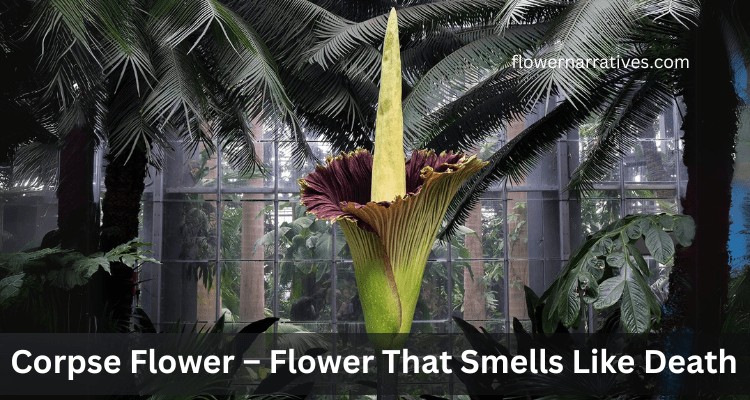
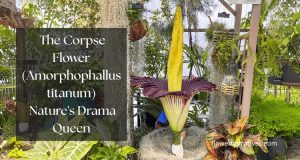
The Corpse Flower, or Amorphophallus titanum, is not your typical bloom. Towering up to 10 feet tall and reeking of rotting flesh, this Indonesian giant is the rockstar of rare flowers, drawing huge crowds whenever it blooms. Native to the rainforests of Sumatra, it produces one of the largest and smelliest inflorescences in the plant kingdom. Its scent may make you gag, but its dramatic appearance, unpredictable blooming pattern, and sheer botanical oddity make it an unforgettable floral event.
Check this post - March Birth Flowers: Daffodil & Jonquil
Where and When Can You See It Bloom?
Botanic Gardens
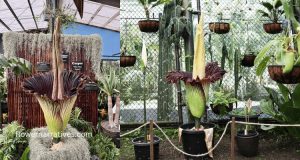
The Corpse Flowers in cultivation include those at the New York Botanical Garden, Kew Gardens (London), and Bogor Botanical Gardens (Indonesia). They are specifically known to announce their public serial bloomings for flower fans, photographers, and mere onlookers to experience this very rare botanical marvel.
Rare Bloom Cycle
Corpse Flower blooms every seven to ten years and remains open for 24-48 hours. And that’s the hype: nature’s birthday surprise party, to which few get to attend. The long vivacity and frequent and short flowering events make every occurrence one to treasure and attract news.
Native Habitat – Sumatra
In the wild, it grows in the tropical rainforests of Sumatra, where it is now endangered due to ongoing habitat destruction. Its native ecosystem provides the exact balance of heat, humidity, and pollinator presence.
The Look: Strange, Stunning, and Slightly Sinister
Giant Inflorescence
What you happen to be looking at is not a single flower but a multitude of tiny male and female flowers, hidden in broad sight inside a huge structure. The spathe, which looks like a giant burgundy petal, is wrapping protectively around the spadix, the tall, yellowish central column.
Color Cues
To minimize time wasted in the search for feeding, the inner surface of the spathe carries a dark maroon-red color that resembles raw meat, which is a visual cue that reinforces the illusion of a decaying animal to lure scavenger insects to its visitation.
Massive Size
The entire structure can grow to an extraordinary height of approximately 8-10 ft and weigh more than 100 lbs! Its sheer size and color make its appearance unforgettable, thus contributing to its sinister reputation.

Why the Awful Smell?
Mimics Rotten Flesh
The stench is therefore no accident; it is a well-designed survival trick. The flower discharges a potent cocktail of sulfur-based compounds that imitates the putrid smell oozing from decaying corpses just enough to lure its primary pollinators-carrion beetles and flesh flies. These insects are thus drawn by what they think is a bountiful feast, only to end up pollinating the flower in the process.
Strongest at Night
It releases the smell, most pungently, during the night and at dawn, coinciding with the natural activity cycle of its target pollination agents. Even more strangely, the flower’s spadix heats up at night, thus generating a convective swirl that would diffuse the erupting vapors farther into the jungle or garden.
Short-Lived Drama
Then it fades fast once pollination has been undertaken-or has failed to happen- and the large bloom collapses. During this period, the plant goes into a resting phase and is not seen again for several years.
Symbolism & Meaning of the Corpse Flower
Transformation & Rarity
As a bloom that occurs only once a decade, the Corpse Flower embodies those rare, transformative moments of life.
Mortality & Mystery
The foul odor and short life of the flower speak of death, rebirth, and the precarious balance of existence.
Curiosity & Spectacle
That flower reminds us that nature is not just beauty; it is also drama. A demonstration of how even the unsightly has something to contribute to understanding life and biodiversity.
Curious about the meaning and symbolism of tulips?
Explore the emotional and symbolic power of tulips here.
Why Is the Corpse Flower So Rare?
Long Bloom Cycle
It can take anywhere between 7 to 10 years before it can bloom from the day it is planted but even when it does bloom, it sometimes does not produce anything except leaves during the cycle.
Pollination Problems
Outside of its natural habitat are the natural pollinators like carrion beetles and flies, so then hand pollination by amazing botanists is done to the flower.
Endangered in the Wild
Corpse Flower has been declared endangered in the wild. Deforestation and agricultural developments in Sumatra have significantly reduced its natural habitat.
Sensitive Toward Condition
It needs constant warmth and extreme humidity and lots of room. It has become very much horticultural challenge and great achievement to grow and make bountiful some.
Frequently Asked Questions (FAQs)
Why is it called the Corpse Flower?
It gets its name from the intense odor it releases during bloom, remarkably similar to the smell of rotting flesh. This foul scent attracts carrion-loving insects like beetles and flies, which help pollinate the flower.
Can you grow a Corpse Flower at home?
You could try, but it’s no ordinary houseplant! It needs tropical conditions, a lot of space, and years of care before it blooms. Most people admire it at botanical gardens, where its rare blooms become headline news.
How long does the bloom last?
Just 24 to 48 hours. After that, the flower wilts and collapses, leaving behind a big, smelly memory. Since it may take a decade to bloom again, people flock to see it when it happens.
Is the smell that bad?
Yes—and no. Some say it smells like spoiled meat or dirty diapers. Others find it strangely fascinating. Either way, it’s unforgettable!
Why is the Corpse Flower endangered?
Its native habitat in Sumatra is shrinking due to deforestation and agriculture. With fewer places to grow and reproduce, its survival in the wild is threatened—making conservation efforts essential.
Final Thoughts
Corpse Flower is a wonderful paradox: quite revolting and very intriguing; very short-lived and indelibly remembered. It is a very good reminder that nature’s creation is not always subtle or sweet. Where beautiful little lilies and perfume-scented roses abound, this tropical giant catches attention in its own morbid, magnificent manner.
At Flower Narratives, we celebrate the weird, the rare, and the wild. Because every strange bloom has a story worth telling.
Uncover the beliefs, meanings, and mysteries tied to more blooms— visit the core of our floral exploration.