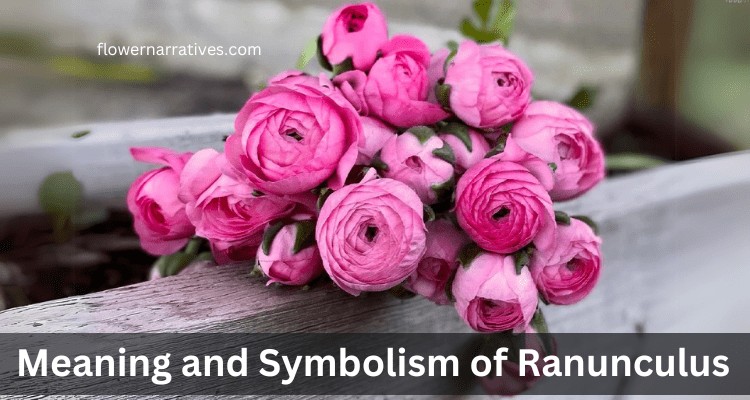
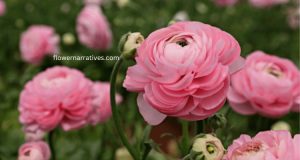
With their lush, ruffled petals arranged in intricate layers, ranunculus flowers are like living works of art. Often mistaken for roses or peonies, these blooms have a charm entirely their own. Ranunculus carries meanings of charm, attraction, and radiant beauty — making them favorites in both bouquets and symbolism.
This post unrolls the layered beauty of ranunculus-from interesting meanings, touchy feelings it brings into our lives, care tips, and a few other surprising things.
The Meaning and Symbolism of Ranunculus
Ranunculus flowers carry symbolism beyond mere ocular beauty; they bear testimony when words fade.
Dazzling Charm
Probably the most popular meaning is charm. Giving someone a ranunculus tells him, “You are charming with radiance,” or “I am bewildered by your presence.”
Romantic Admiration
Seen more frequently in romantic arrangements, these almost express deepening admiration, making them a go-to choice when one is falling in love.
Attraction and Energy
Bright colors and symmetry radiate energy, enthusiasm, and attraction, perfect for occasions that lift spirits and declarations of interest.
Elegance and Sophistication
The refined structure of ranunculus presents them as symbols of gracefulness and charm, making them a popular flower for classy weddings and elegant occasions.
Emotional Connection to Ranunculus
Ranunculus symbolizes an emotion- one for those who take comfort in softness and elegance.
Heartfelt Emotion
Be it love or friendship, ranunculus expresses emotion softly. It speaks volumes without being overbearing.
Celebration of Inner Beauty
With layer upon layer of petals, these flowers mirror the consideration that beauty often resides within- deep, layered, and quietly captivating.
Confidence with Grace
The ranunculus exudes an aura of graceful confidence. Charmed rather than dominated is the way of this flower.
Check this post - Meaning and Symbolism of Begonias
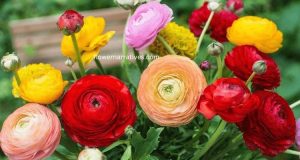
Ranunculus Colors and Their Meanings
Each ranunculus color enhances its message, turning a bouquet into a heartfelt statement and allowing you to express emotions most poetically.
Red Ranunculus
Passionate love and deep desire. Red varieties make a bold, romantic gesture that speaks of intense connection and longing.
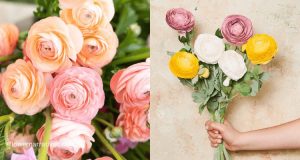
Pink Ranunculus
Sweet affection, playfulness, and gentle love. These soft tones express admiration, joy, and youthful crushes — ideal for tender moments.
White Ranunculus
Purity, honesty, and new beginnings. Often seen in weddings and peaceful ceremonies, white ranunculus reflects sincerity and hope.
Yellow Ranunculus
Happiness, creativity, and a sunny spirit. It brings light and laughter into any space, making it a symbol of optimism and cheer.
Orange Ranunculus
Warmth, enthusiasm, and vitality. These fiery hues are for celebrating bold personalities and inspiring fresh energy in any setting.
Purple Ranunculus
Enchantment, mystery, and elegance. Deep purples evoke a dreamlike aura, perfect for those who live a little magically and value depth and mystery.
Essential Ranunculus Care Tips
Light Requirements
Ranunculus loves full sun, so plan for a site in the garden that provides sun for most of the day. In the house, place in a bright spot near a window to promote flowering.
Watering Needs
Keep soil slightly moist but well-drained. Ranunculus bulbs can be moldy or rotten if watered too much. Water when the top inch feels dry, especially when there are flowers.
Soil & Drainage
Needs well-drained sandy soil mixed with compost. Well-drained situations can support bulb health, although extra care must be taken when in containers.
Growing Season & Temperature
Ranunculus bulbs (technically tubers) are usually planted in the fall or early spring, depending on the zonal temperature. The average temperature should be maintained around 55–65°F (13–18°C).
Cut Flower Tip
A cut ranunculus will last longest in the vase if cut with just a few petals beginning to open. It can last in water for up to 10 days, and this is why it is favored by many florists.
Interesting Facts About Ranunculus
Name Origin
The Latin term “ranunculus,” meaning little frog, describes these types of flowers, which grow naturally close to water in most wild varieties.
Layers of Meaning
The many petals of the flower often symbolize layers of that person’s personality or emotion, like the peeling of another’s story one petal at a time.
Choice of Florists
Ranunculus is one of the most in-demand wedding flowers, thanks to its elegance, cost-effectiveness, and vase life.
Tuber Trick
These flowers grow from claw-shaped tubers, seeds unique feature that many home gardeners find surprising.
Wild to Glam
From muddy marsh beginnings to runway wedding designs, this flower has a glow-up story worth telling.
Frequently Asked Questions (FAQs)
1. Are ranunculus perennials or annuals?
They are technically perennials but are often treated as annuals depending on the climate. In warmer zones, they can return yearly.
2. Can I grow ranunculus in pots?
Yes! Just ensure your container has excellent drainage and place it somewhere sunny.
3. How long do ranunculus blooms last?
In the garden, blooms last several weeks. As cut flowers, they can stay fresh for up to 10 days with proper care.
4. Do ranunculus flowers close at night?
Yes, they tend to close in low light and reopen with the sun, adding a bit of floral drama to your day.
5. Are ranunculus toxic to pets?
Yes. Like many ornamental flowers, ranunculus can be toxic to cats, dogs, and horses if ingested.
Conclusion: And let charm unfold, layer after layer.
The ranunculus is exquisite, enchanting, and layered with emotion and meaning. When it comes to giving, floral art, and gardening, flower injects an element of romantic glamor and charming thoughtfulness.
Don’t forget to keep checking the Flower Narratives for more enchantment in the floral world and choose the best petal that speaks to your very soul.