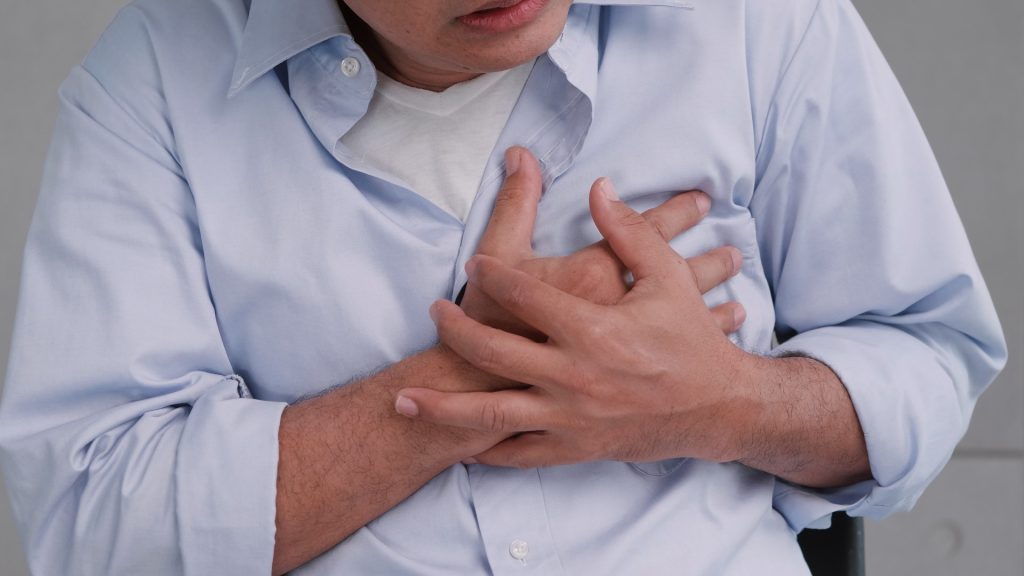
Having pain in your chest is a scary experience, isn’t it? After all, that’s where your heart and lungs are, and those are the main organs that keep you alive. If something in your chest doesn’t feel quite right, your first instinct may be to call a doctor or head to a local emergency room as quickly as possible, which is certainly understandable.
That being said, chest pain after eating doesn’t necessarily mean you need emergency medical care. It’s actually a common issue that can come from several sources. Understanding what may be causing this type of discomfort and when to seek treatment for it is essential, and the following information can help you do just that.
What Causes Chest Pain After Eating?
First, let’s take a look at some of the potential causes of chest pain following meals. One of the most common is eating too fast. If you scarf down a meal so quickly that each bite doesn’t have time to make its way along the esophagus to the stomach before the next one comes along, you’ll most likely experience a certain amount of discomfort in your chest or upper abdomen until your food digests properly as a result.
Overeating can also cause pain. While the discomfort may actually be in your stomach, it may feel as though it’s in your chest. It can place excess pressure on your diaphragm. That, in turn, can lead to chest pain and even shortness of breath because it prevents your lungs from fully expanding the way they need to. Both overeating and eating too quickly can also trap gas in your digestive tract, which might manifest as pain, tightness, or a squeezing sensation in your chest.
Food Intolerances and Allergies
Beyond those basics, certain other issues can cause chest pain after you eat. Those include food intolerances and allergies. If your body can’t handle certain compounds in foods and beverages, they may cause bloating, inflammation, and discomfort. The pain from those reactions can radiate into your chest. If chest pain following meals is a common occurrence for you, consider keeping track of what you eat and drink and looking for patterns. Seeing a doctor for help with determining which foods you’re sensitive or allergic to is also recommended.
Acid Reflux
Another common cause of post-meal pain is acid reflux. That’s the contents of the stomach backing up into the esophagus. It can cause heartburn, tightness, and pain in the chest. Spicy, acidic, and greasy foods tend to cause acid reflux more so than others. Lying down after meals can also make you more likely to experience this issue. Avoiding those previously mentioned foods and waiting at least a couple of hours after eating to lie down may help. If it doesn’t, you may want to speak with a doctor about it to avoid esophageal damage and other complications.
Gallbladder Issues
Gallbladder issues are also common causes of upper abdominal and chest pain after meals. If the gallbladder is the culprit, you may notice the pain more after eating fatty foods. Pain from the gallbladder is usually sharp and fairly severe, and it may radiate to your right shoulder or between your shoulder blades. If you think you’re experiencing gallbladder issues, you should see a doctor as soon as possible.
Dealing With Chest Pain After Meals
In some cases, chest pain after meals is caused by something simple like eating too quickly, overeating, or lying down too soon after dinner. Other times, it’s a sign of more serious issues, such as food allergies or gallbladder issues. If chest pain after eating is a frequent problem for you, consider seeking medical attention. For sudden, severe chest pain that gets worse or is accompanied by dizziness, breathing issues, and other serious symptoms, emergency care may be in order.