Introduction
January’s two birth flowers- carnation and snowdrop- are steeped in history, symbolism, and cultural importance. These flowers highlight winter and symbolize love, hope, and renewal. If you were born in January or are just looking for the perfect flower gift to celebrate a birthday, knowing about these flowers will help you appreciate their beauty and significance even more.
Why These Flowers Represent January
Carnations and snowdrops are official birth flowers for January; have you ever thought about the actual reason? The ruffled petals of the carnation represent admiration and love, which are super positive and go a long way in uplifting a bitterly cold month. The snowdrop, one of the first flowers ever to bloom at the end of a cold winter, presents superstitious ideas about hope and renewal: A beautiful reminder of the quiet strength and glorious beauty like that of the people born in that month, hanging on through all-weather extremes.
Legends and Mythology Surrounding January Flowers
This birth month flower comes with its own mythology. In western Christian tradition, it is believed that the first carnation bloomed from the Virgin Mary’s tears as she wept for the death of her son. Therefore, it takes on the sacred meaning of love and devotion. In ancient Rome, they were included in many ceremonial crowns as a symbol of good luck.
Superstitions vary with snowdrops. Some say they are unlucky if brought in, as they remind people of death. In other cultures, they symbolize purity and protection. According to legends, when Adam and Eve were thrown out of Eden, snowflakes were transformed into snowdrops by an angel to restore some hope to them.
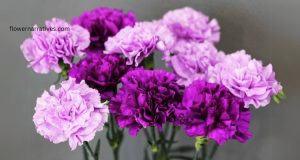
Gifting Guide for the Birth Month Flower
Choosing the right color of flowers definitely makes a big difference when gifting carnations. A handy guide goes as follows.
Red Carnation–Love and deep admiration (ideal for your beloved).
Pink Carnations–Gratitude and affection (a perfect gift for mothers and close friends).
White Carnations–Purity and good luck (perfect for new beginnings or sympathy).
Yellow Carnations–Disappointment or rejection (best never to give unless for a reason!).
Purple Carnations–Capriciousness (in other words, a playful gift).
With their pretty white blooms, snowdrops mean a universal thought about new beginnings, a lovely way to wish encouragement or hope.
Adding Vibrance to January Giver
People born in January belong to Capricorn (December 22 – January 19) and Aquarius (January 20 – February 18). So, do these flowers have something to say about their personality?
Capricorns are organized, ambitious, and extremely loyal, all characteristics of the steadfast love and strength represented by the carnation.
Aquarians are the ones who lead the charge. Independent, out-there thinkers with new ideas aplenty, they are exhibits of snowdrops braving the cold to bloom first: renewal and forward-thinking energy.
January Flowers & Their Scent Psychology
The fragrance of flowers does influence your emotions, and the flowers of January come with a few unique charms:
Carnation Scent
Light, spicy, and clove-like, carnations can evoke feelings of warmth, comfort, and positivity—a perfect lift for the grey of winter.
Snowdrop scent
Snowdrops have a faint, fresh aroma that relieves a person with calmness and freshness, which exactly conveys the meaning “a hope and a purity.”

Birth Month Flower Tattoos & Their Weekend Meanings:
Many people have these very birth flowers for tattoos, and as far as meaning goes, both January flowers are quite deep:
Carnation Tattoos
“Enduring love, devotion, and resilience” would be the words associated with this. Different colors can ascribe a personal meaning.
Snowdrop Tattoos
Promise, new beginnings, quiet strength. Often selected for that delicate beauty and understated elegance.
Frequently Asked Questions
1. What do January birth flowers symbolize?
The birth flowers include carnation and snowdrop, which stand for love, admiration, and strength for the former, and the latter for hope, purity, and renewal.
2. Can I grow them in my house?
Yes! Carnations prefer full sunlight and well-drained soils, while snowdrops enjoy cool, shady areas and thrive because, at that time, those precious blooms bloom in early spring.
3. Are the above flowers ideal for gifting purposes?
Simply, they are! The colors available in carnation varieties are so many that they would suit all occasions, whereas a snowdrop makes a thoughtful gift.
4. What color of carnation would you recommend?
Red would signify a romantic shade; pink would be used to express gratitude; white has purity; while the color purple would symbolize playfulness. The only thing to avoid is yellow unless the message is intentional.
5. Are there any superstitions concerning snowdrops?
In some cultures, bringing snowdrops indoors is considered bad luck; in others, however, it is thought to be a symbol of protection and new life.
Conclusion
January has two birth flowers, carnations and snowdrops, and these two can be nice to look at. They also have very deep meanings and cultural, emotional connections. Even if you are interested in the myths, symbols, or fragrance that these flowers may had, you can not fail to be drawn to them as perfect testaments of the strength and hope that January brings. For someone with a birthday in January, it is a very precious way to adopt this birth month’s floral charms.
Want to see more flower talk? Stay tuned with Flower Narratives for such information.