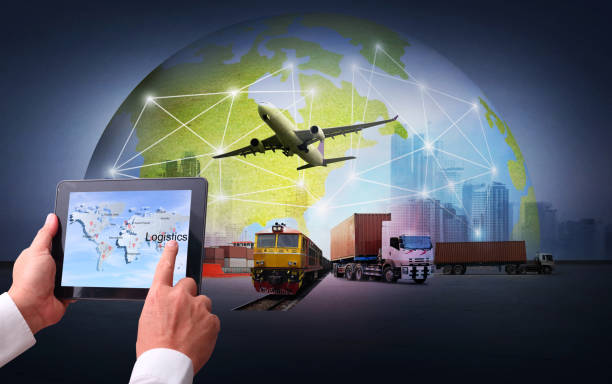
There’s a quiet moment that happens when you check a tracking link, that half-second where your brain thinks, yep, still on the move. Somehow that tiny blue dot now carries the weight of your whole day. Funny, isn’t it? Delivery used to be an afterthought, something you waited on with no clue when it might turn up. These days, it feels more like a promise: fast, visible, perfectly timed.
Behind that illusion of smoothness are vast networks, sensors, drivers, and planners, stitched together by companies like Ryder logistics. It’s an invisible system that’s quietly reshaping how we experience time, trust, and even patience.
1. Real-Time Tracking Turned Guesswork into Expectation
Not long ago, you ordered something and just hoped for the best. Maybe you got a tracking number that updated twice before the package finally appeared… or didn’t. Now we expect to see the van icon creep along the map like it’s part of a video game.
That transformation came from layers of technology such as GPS, telematics, smart sensors and the kind of fleet management platforms that can see every vehicle, every route, in near real time. Dispatchers know the second traffic snarls, and customers get an update before they even wonder where their stuff is.
It’s a small miracle of modern logistics, but it’s changed something deeper: trust. We no longer just believe a parcel will come; we expect to see it coming. If it’s late by an hour, we feel almost betrayed. The old patience muscle has withered away, replaced by an expectation of total visibility, a strange kind of comfort that everything is, quite literally, under watch.
2. Smarter Routes, Faster Everything
Let’s be honest… we barely think about how a van full of packages manages to snake through a city so neatly. It’s easy to forget that behind every drop-off is a mess of algorithms constantly shuffling routes like a deck of cards. That’s dynamic routing, and it’s one of those quiet revolutions that makes modern delivery feel effortless.
When a bridge closes, or rain turns a shortcut into chaos, the software reroutes the driver in seconds. Multiply that by a few thousand vehicles and you start to see the scale of what’s happening. Less fuel wasted, fewer delays, more happy customers.
But it’s not just about logistics efficiency, it’s rewired our sense of “normal.” Ten years ago, two-day shipping was impressive. Now, if it’s not next-day, we raise an eyebrow. Delivery has become an emotional experience, the smoothness, the timing, the neatness of it all. We’ve come to expect choreography.
3. Automation Is Creeping into Every Corner
The most interesting thing about automation is how invisible it’s become. Nobody thinks about the conveyor belts in a warehouse anymore, or the predictive software that knows when to restock items before we even order them. Yet these systems are everywhere, shaping how goods flow long before they reach a doorstep.
Even in heavier sectors, like industrial deliveries, automation and precision tracking have started to feel like table stakes. A construction manager might track a crane delivery the same way someone checks an Amazon parcel real time, accurate to the minute. Downtime is expensive, and the digital tools that once belonged only to e-commerce now drive the backbone of entire industries.
There’s something oddly poetic about that, the same algorithms that get your trainers to your door also move 20-ton machinery across the country. We’ve blurred the line between consumer speed and industrial scale.
The Hidden Machine That Runs Everything
If all this sounds slick and futuristic, it’s worth remembering that most of it hums quietly in the background – human drivers, planners, coders, dispatchers, all orbiting this vast digital nervous system. Logistics companies have spent decades turning chaos into choreography, but the real story is how used to it we’ve become.
We no longer marvel at the system – we just expect it to work. And that expectation, more than any technology, might be the biggest change of all.