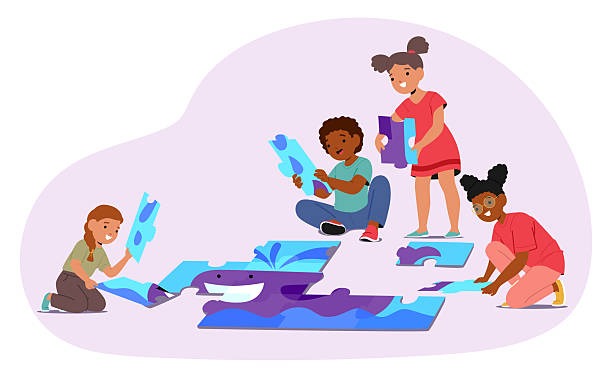
Do you sometimes wonder about your child’s growth stages and how they shape future connections? However, motor skills develop slowly, guiding children toward balance, coordination, and better everyday movements. Guided instructions then play a significant role, since kids benefit greatly from structured direction and reassurance. Professional support through teachers or guided sessions creates trusted spaces where kids feel understood and encouraged.
Sensory friendly activities provide calm environments that reduce stress and support meaningful child engagement. Thus, social interactions become more natural, since kids share experiences, exchange smiles, and learn subtle communication. Many parents seek clear solutions that ease concerns while offering children safe, interactive environments. This article shows how guided sensory strategies strengthen both confidence and social growth.
Calm Space Builds Comfort
A soft safe space helps the young minds feel calm and open to share a look or wave. Teachers design the room with lower light and soft sound so children notice faces, not noise. Guided sessions offer a place for kids to find friends through shared curious glances and quiet hello words. This kind of warm setup lets them sense a peer next to them, feel safe to move closer.
Shared Stage Sparks Connection
A stage show with gentle sound and light gives a chance for children to smile together. Guides run each performance with care so kids see peers laugh or clap without fear. Teachers watch how they respond, and they offer quiet word models so young ones might say hello. Such a shared and joyful time gives space for subtle social bonds to start forming.
Hands-On Activity Fosters Bond
A craft table with soft textures and safe tools invites two kids to share a sticker or mix colors. Guided sessions encourage slow step help so each child sees someone else do the same task. Teachers say simple words like “you pass” or “you pick” to help language form with a friend. This quiet shared task lets the young minds find a friend through a simple act together.
Family Chat Builds Community
A calm lounge area gives families time to meet, share small stories, and smile at each other. Guides support open communication among parents, while kids notice other children at their own pace with comfort. Teachers welcome families and offer resource ideas so grown-ups feel supported and know they have peer support. This gentle chat time helps children learn social habits by watching adults being friendly.
Snoezelen Room Offers Shared Calm
A Snoezelen-style room with soft visuals comforts children and gives them a quiet pause near others. Guides set up cozy lights and gentle walls so kids can sit close or stand just beside each other. Teachers invite them to explore side-by-side with calm breath and simple eye contact moments. This calm shared space lets little ones sense another child’s gentle presence and feel safe to stay near.
RSVP Model Ensures Safe Flow
A limited RSVP model keeps group size small and gives space for each child to move freely. Guided sessions use that calm crowd so children notice one another without large group fear. Mentors monitor how each child moves and may gently suggest a soft wave or look at a friend. This small group gives kids room to choose to connect when they feel calm, building trust slowly.
The young minds flourish when caring adults introduce thoughtful approaches that nurture both comfort and connection in safe environments. In this light, sensory friendly activities stand as vital tools that empower kids to grow with joy. Parents, teachers, and guides can champion these moments, allowing every child to feel seen and valued. Share these ideas with your community and inspire others to embrace sensory-friendly opportunities.