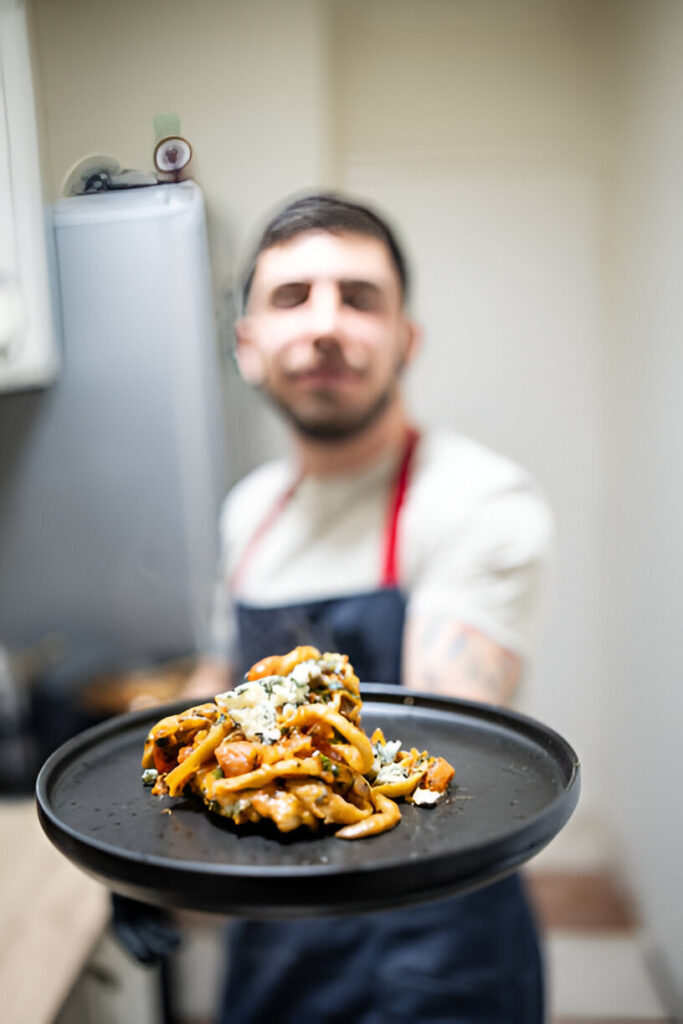
Pasta is more than just a meal—it’s a cultural symbol, a comfort food, and for Italians, a culinary art form. While pasta seems simple to cook, achieving perfection requires attention to detail, quality ingredients, and time-honored techniques passed down through generations. To help you master this beloved dish, we’ve gathered expert advice straight from Italian chefs.
1. Start with Quality Pasta
Italian chefs agree: the foundation of great pasta is quality ingredients.
- Why it matters: Premium pasta, often made with 100% durum wheat semolina, holds its shape and texture better during cooking.
- Pro Tip: Look for bronze-cut pasta—it has a slightly rough surface that holds sauce more effectively.
2. Use Plenty of Water
Cooking pasta in a large pot of boiling water allows it to move freely and cook evenly.
- Rule of thumb: Use at least 4–6 quarts of water per pound of pasta.
- Pro Tip: Always bring the water to a rolling boil before adding pasta to prevent sticking.
3. Salt the Water Generously
As Italian chefs say, “The water should taste like the sea.”
- Why it matters: Salt enhances the pasta’s flavor from the inside out.
- Pro Tip: Add 1–2 tablespoons of salt per pound of pasta, but never add oil—it prevents sauce from sticking later.
4. Cook Until “Al Dente”
The perfect pasta has a firm bite—never mushy.
- Why it matters: Al dente pasta holds its texture and blends better with sauce.
- Pro Tip: Start checking a minute before the package’s suggested cooking time. Remember, pasta continues to cook slightly after draining.
5. Reserve Some Pasta Water
That cloudy water is liquid gold in Italian cooking.
- Why it matters: Starchy pasta water helps emulsify sauces, giving them a silky texture.
- Pro Tip: Save at least a cup before draining, and add it gradually to your sauce for the perfect consistency.
6. Finish Cooking in the Sauce
Rather than draining and plating immediately, finish pasta in the pan with its sauce.
- Why it matters: This technique allows flavors to meld and the pasta to absorb the sauce.
- Pro Tip: Toss over medium heat for 1–2 minutes, adding pasta water if needed.
7. Match Pasta Shapes with the Right Sauce
Italian chefs carefully pair pasta shapes with sauces for the best texture and flavor.
- Examples:
- Long, thin pasta (spaghetti, linguine): Light oil-based or tomato sauces.
- Short, ridged pasta (penne, rigatoni): Chunky vegetable or meat sauces.
- Flat pasta (pappardelle, fettuccine): Rich, creamy sauces.
8. Use Fresh Ingredients for Sauces
Whether it’s a simple tomato sauce or a creamy carbonara, fresh ingredients make the difference.
- Why it matters: Fresh herbs, quality olive oil, and ripe tomatoes elevate any pasta dish.
- Pro Tip: For authentic Italian flavor, avoid jarred sauces—make your own with fresh or canned San Marzano tomatoes.
9. Don’t Forget the Finishing Touches
The final step is adding depth and aroma before serving.
- Examples:
- A drizzle of extra-virgin olive oil.
- Freshly grated Parmigiano-Reggiano or Pecorino Romano.
- A sprinkle of chopped fresh herbs like basil or parsley.
10. Serve Immediately
Pasta waits for no one.
- Why it matters: Letting pasta sit after cooking can cause it to clump and lose its perfect texture.
- Pro Tip: Have your sauce and garnishes ready before the pasta is done.
Final Thoughts
Perfect pasta is the result of simple, intentional steps executed with care. By starting with quality ingredients, respecting cooking times, and finishing your pasta in the sauce, you can create dishes worthy of an Italian kitchen. As the chefs say, “La pasta è amore”—pasta is love, and when you cook it with passion, it always shows.