


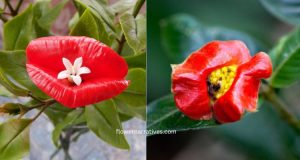
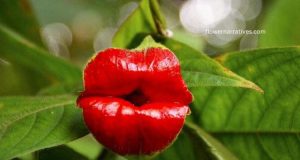
Meet the Hooker’s Lips flower (Psychotria elata), a cheeky and rare bloom that quite literally pouts at you! Found in the lush rainforests of Central and South America, especially in Colombia, Costa Rica, Panama, and Ecuador, this plant gets its nickname from its vivid red bracts that resemble a pair of luscious lips. But don’t let its flirty look fool you—this exotic beauty has some serious botanical secrets hidden in its folds. These lips are not just for show; they are an evolutionary adaptation to attract pollinators and survive in a highly competitive ecosystem. Hooker’s Lips reminds us how strange, beautiful, and clever nature can be.
Check this post - Naked Man Orchid (Orchis italica)
Meaning and Symbolism of Hooker’s Lips flower
Love & Romance
The flower’s lip-like shape gives it a fun vibe, making it a symbol of love and flirtation. People often see it as a sign of playful passion.
Mystery of the Jungle
With its short blooming time and hard-to-reach spots, this flower stands for the fleeting beauty of the rainforest, where not everything can be controlled.
Natural Whimsy
Its humorous, almost cartoonish look represents the playful side of nature, reminding us that evolution can have a sense of humor, too. It offers joy to all who see it.
Feminine Energy
Often linked to sensuality and allure, the flower also symbolizes empowered femininity and self-expression, making it a subtle nod to confidence and natural beauty.
Environmental Fragility
Threatened by deforestation, Hooker’s Lips symbolizes the need for conservation and the delicate nature of tropical habitats. Losing it could affect important pollinators and cultural meanings.
You can also check - Superstitions About Flowers That Bloom at Night
Amazing Facts About Hooker’s Lips (Psychotria Elata)
It’s Not the Real Flower
Those “lips” are actually modified red bracts that last only a few days before tiny real flowers pop out. This helps attract pollinators when it’s most needed.
Rare and Disappearing
Habitat loss and illegal plant trade are making it harder to find this flower in the wild, so conservation is crucial now.
Pollination Party
It draws in hummingbirds and butterflies, which help with pollination. The bright red bracts act like bright signs for these winged creatures.
It Changes Shape Quickly:
The “lip” stage is incredibly short-lived, making it a fleeting wonder for anyone lucky enough to spot it. Timing is everything when it comes to viewing this beauty.
Medicinal Uses
In some indigenous cultures, parts of the plant are used in traditional medicine for respiratory and skin problems. This adds cultural and healing value to the flower beyond its looks.
The Hooker’s Lips flower actually starts out green and only turns red as it matures—just before it blooms!
Care Tips for Growing Hooker’s Lips
Tropical Environment
This plant does best in warm, humid spots that mimic its rainforest home. Aim for over 60% humidity for good growth.
Shade-Lover
It prefers partial to full shade, similar to the forest floor where it grows. Too much direct sun can harm the bracts and affect blooming.
Rich Soil
Use well-draining, organic-rich soil to encourage healthy root growth. Soil high in compost and humus will mimic the forest bed it loves.
Watering Needs
Keep the soil moist but not soaked. Regular misting helps replicate the moist conditions of its native habitat and keeps the leaves healthy.
Not for Beginners
This plant is quite rare in cultivation and can be very hard to grow outside of its native zone. It’s best suited for greenhouses or botanical gardens with controlled environments.
Frequently Asked Questions (FAQs) About Hooker’s Lips
1: Is Hooker’s Lips a real plant or just a photoshopped image?
Yes, it’s 100% real! The red lips are actually bracts that last only briefly before the true flower blooms from within. Although many images online are edited, this plant’s appearance is naturally striking.
2: Why is it called Hooker’s Lips?
The name comes from the bright red shape that looks like pouting lips, often likened to lipstick. There’s no connection to any slang meanings.
3: Can I grow it at home?
Only if you live in a tropical climate or have a greenhouse. It’s tough to grow outside its natural environment because of its specific needs.
4: Is it endangered?
Yes, it’s considered threatened due to illegal collection and deforestation in its native areas. Protecting its habitat is crucial for its survival.
5: What pollinates Hooker’s Lips?
Primarily, hummingbirds and butterflies are drawn to its bright colors and sweet nectar. These pollinators play a crucial role in the plant’s reproduction.
Conclusion
The Hooker’s Lips flower proves that nature is full of surprises—from its flirtatious form to its rare, fleeting bloom. It’s a vivid example of how evolution and attraction collide in the most creative ways. This unusual bloom is not only a source of humor and fascination but also a poignant symbol of the beauty that must be protected.
While it’s a favorite among photographers and flower enthusiasts, it’s also a powerful reminder of the vulnerability of our rainforests and the importance of preserving biodiversity. By appreciating rare flowers like Hooker’s Lips, we deepen our connection to the natural world.
At Flower Narratives, we celebrate flowers that make us pause, laugh, and marvel. Because sometimes, a kiss-shaped bloom is all it takes to fall in love with nature.
Check Out More Exotic Blooms

